

Our Verdict
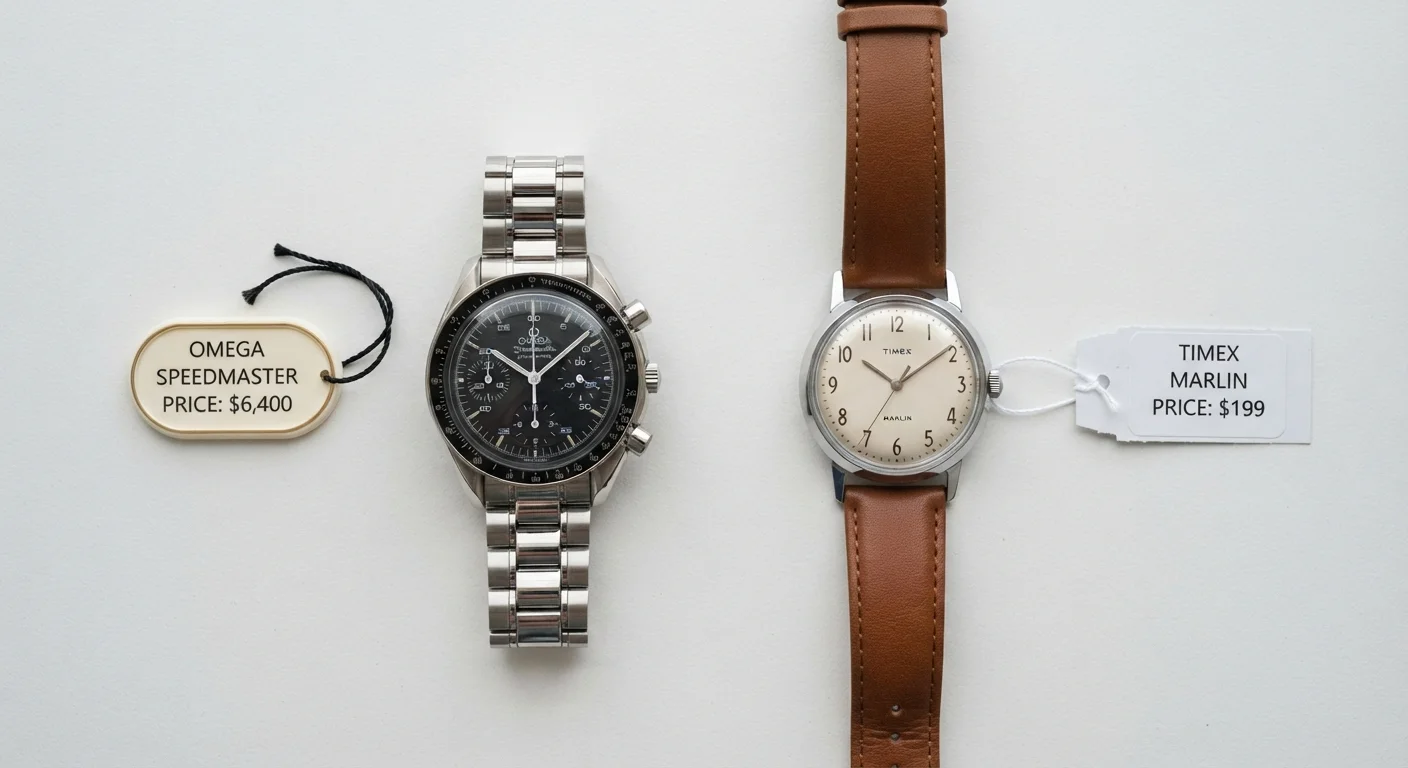
Premium pricing delivers genuine value in categories where materials, engineering tolerances, or long-term support costs are real differentiators - think professional tools, safety equipment, and durable goods you'll use daily for years. In categories driven by aesthetics, trend cycles, or brand prestige, the price premium rarely maps to proportional performance gains. The most useful question isn't 'Is this premium?' but 'What specifically am I paying more for, and does that matter to how I use it?'
Shoppers who want to evaluate products on substance rather than marketing, and who'd rather pay the right price once than overpay or underpay.
What Premium Pricing Actually Signals
A higher price tag communicates something - but not always what advertisers suggest. In practice, premium pricing can reflect several completely different things: superior materials, tighter engineering tolerances, stronger warranty and support infrastructure, smaller production runs, extensive marketing spend, or simply brand positioning in a market segment.
The critical skill for shoppers is learning to separate these drivers by category. A premium chef's knife may cost more because of forged steel composition and hand-finishing. A premium scented candle may cost more primarily because of packaging and brand association. Both are marketed similarly, but the underlying value equation is entirely different.
One useful framework: ask whether the price gap is driven by what goes into the product or how the product is positioned. The former tends to produce measurable performance differences. The latter tends to produce emotional and status differences - real for some buyers, irrelevant for others. See our guide to reading product specifications for help separating meaningful specs from marketing language.
When Paying More Actually Pays Off
Genuine material or engineering quality at higher price points
In categories like cookware, hand tools, and safety equipment, premium pricing often reflects measurable differences in material grade or manufacturing precision that translate to real-world performance and longevity.
Lower long-term cost on high-use daily items
A product that lasts three times as long at twice the price delivers better cost-per-use over time, particularly for items used intensively every day.
Stronger after-sale support and repairability
Premium-tier products in some categories come with longer warranties, better parts availability, and manufacturer service networks - reducing the hidden cost of eventual repairs.
Meaningful safety margin in risk-sensitive categories
For helmets, harnesses, car seats, and similar products, certified quality control at a premium tier can reflect stricter testing standards with direct safety implications.
Premium products tend to justify their cost most clearly in a few specific situations:
- Daily-use durables. Items used heavily every day - kitchen knives, work boots, office chairs - often have a lower cost-per-use at a higher price point if they last significantly longer or reduce physical strain.
- Safety-critical gear. Climbing harnesses, car seats, helmets, and similar items are categories where certified engineering and quality control directly affect risk. Cutting corners here is a different kind of gamble than buying a budget t-shirt.
- Professional tools. Tradespeople and serious hobbyists often find that mid-range tools fail faster under sustained use, making the premium version genuinely cheaper over a multi-year window.
Build quality signals - material composition, joint construction, component sourcing - are more reliable predictors of long-term value than the brand name printed on the front.
When Premium Is Mostly Positioning
Price premium often exceeds the performance gap
In many consumer categories, the jump from mid-range to premium yields diminishing returns - the improvement in performance is real but proportionally much smaller than the price increase.
Marketing spend inflates price without improving product
A significant portion of a premium brand's price tag may fund advertising, influencer partnerships, and packaging design rather than better components or construction.
Brand prestige is priced in, not just product quality
Status-oriented categories like fashion, fragrance, and lifestyle accessories price heavily for association with a brand identity - value that is real for some buyers but irrelevant to function.
Consumables rarely differ meaningfully across price tiers
Generic or store-brand versions of commodities like pain relievers, cleaning solutions, and staple foods frequently share the same active ingredients or formulations as premium alternatives.
Trend-driven durability is wasted value
Paying a premium for longevity in product categories that cycle quickly through styles or technology generations means the premium rarely pays off before the item becomes obsolete or unfashionable.
There are entire product categories where the performance difference between a mid-range and a premium option is marginal or unmeasurable for most users. Common examples include:
- Consumer electronics with diminishing returns. Display and audio improvements at the very high end of most consumer product lines are often imperceptible without controlled testing conditions.
- Branded consumables. Commodities like over-the-counter medications, pantry staples, and basic cleaning supplies are frequently manufactured to the same standards regardless of the brand tier. Generic equivalents often share the same active ingredients or formulations.
- Fashion and trend-driven goods. In categories where styling cycles quickly, paying a steep premium for durability that outlasts the trend is a poor trade.
Commodities Are a Special Case
Many product categories - especially consumables, basic electronics accessories, and certain household supplies - are manufactured to regulatory or industry standards that apply equally across price tiers. In these cases, the premium version may offer better packaging or branding but not a meaningfully different product. Checking whether a product is subject to a third-party standard (like UL certification or USP verification for supplements) is more useful than relying on price as a quality proxy.
Understanding how OEM, generic, and store-brand products differ is one of the fastest ways to identify where premium pricing is and isn't backed by real manufacturing differences.
A Practical Framework for Evaluating Price Tiers
~30%
Typical price gap between mid-range and premium tiers
Consumer research consistently finds that the mid-to-premium price jump in many durable goods categories averages around 30-50%, while measurable performance differences are often far narrower.
3-5x
Lifespan advantage of premium tools in professional use
Industry data from trade and construction sectors suggests professional-grade tools can last three to five times longer than consumer-grade equivalents under sustained daily use conditions.
Before assuming a higher price means better quality, run through three questions:
- What specifically costs more to produce? Identify the input - material grade, component quality, manufacturing process, or support structure - that the premium is funding. If you can't find a clear answer, that's informative.
- Does that input matter for your use case? A professional-grade feature set you'll never use isn't value - it's overhead. A durability upgrade on something you'll use twice a year may not amortize favorably.
- What does the mid-range actually deliver? In many categories, a product priced in the middle of the market has crossed the threshold of adequate quality while shedding the premium associated with brand prestige at the top. Manufacturing origin is one of several factors worth understanding here.
Timing also plays a role in how much you end up paying. Premium-tier products often drop in price meaningfully after initial launch windows - our analysis of post-launch pricing patterns covers the mechanics behind those drops.
The content on this site is provided for informational purposes only and should not be considered a substitute for professional advice. While we strive to provide accurate and up-to-date information, we make no guarantees regarding its completeness or accuracy. Always consult a qualified professional for advice specific to your circumstances before making any decisions.