

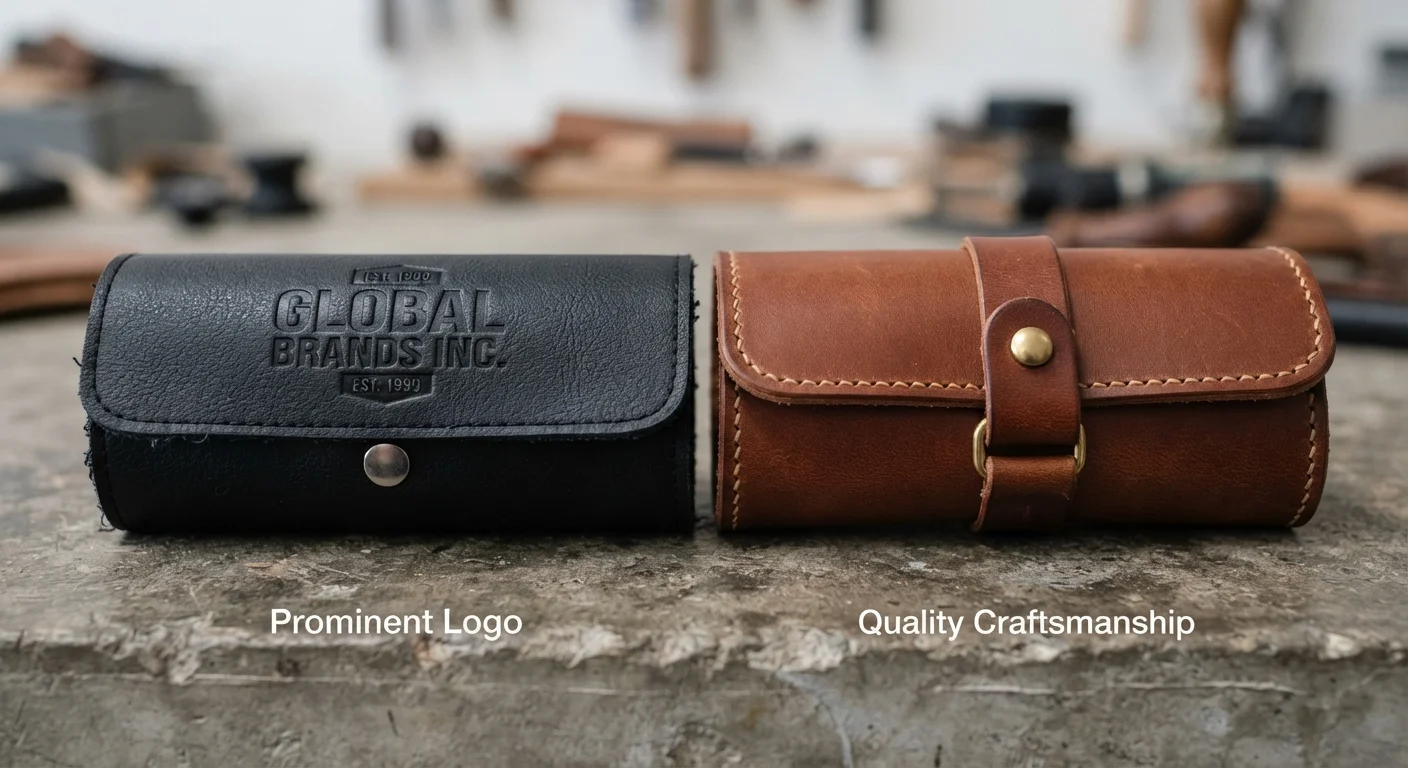
Option A
Build Quality
The physical evidence of how well a product is made.
Best for: Shoppers who want to evaluate durability through hands-on inspection of materials, tolerances, and construction methods.
Option B
Brand Name
The reputational shortcut most shoppers rely on by default.
Best for: Shoppers who value consistency and established service infrastructure, particularly in categories where brand accountability matters most.
Why Brand Name Is an Imperfect Durability Proxy
Brand recognition is built on marketing investment and historical performance - but neither automatically transfers to the product in your hand today. Large consumer brands routinely refresh their manufacturing partners, reformulate materials to manage costs, and adjust tolerances across product generations. A tool or appliance carrying a name you trusted a decade ago may now be produced to different specifications, sometimes at a different facility entirely.
This isn't unique to budget-tier products. Premium-positioned brands across appliances, electronics, and apparel have faced criticism after shifting production or materials following ownership changes or margin pressure. The logo is a contractual mark, not a quality certificate attached to every unit on the shelf.
That said, brand name isn't meaningless. A company with a long track record in a specific category tends to have strong quality-control incentives - customer complaints, returns, and negative reviews carry real financial consequences. In categories where warranty service and parts availability matter, a well-established brand can extend a product's effective lifespan beyond what build quality alone would predict. The key is treating brand as one input, not the final word. See how premium branding relates to actual engineering quality for a closer look at when the premium label holds up.
What Build Quality Actually Looks Like
Build quality is observable - it lives in the physical details of a product before you ever use it. Here are the key signals that indicate durable construction:
- Material grade: Metals, plastics, and textiles have quality tiers. High-density materials, solid-core construction, and corrosion-resistant finishes outlast their cheaper equivalents. Flex a product's shell or housing - excessive flex under light pressure suggests thin-gauge material.
- Joint and seam construction: Look at where components meet. Tight, even seams with no visible gaps indicate precision tooling. Uneven joins, visible adhesive residue, or misaligned edges are signs of tolerance failures that worsen with use.
- Hardware weight and fit: Hinges, fasteners, zippers, and connectors are common failure points. Components that feel solid and move smoothly without play or wobble indicate tighter manufacturing tolerances.
- Surface finish consistency: Uniform finishes - whether paint, coating, or texture - suggest quality process control. Inconsistencies often mean variability in the rest of the manufacturing process too.
For products you can't physically inspect before purchase, published specifications and third-party certifications do some of this work. Understanding which specs signal real quality helps you decode what manufacturers are actually communicating - and what they're omitting. Similarly, certifications and ratings on product labels can confirm independently verified construction standards.
| Criterion | Build Quality | Brand Name |
|---|---|---|
| What it measures | Physical construction and materials | Reputational history and market position |
| Reliability as durability signal | High - directly predicts wear resistance | Moderate - varies by category and era |
| Inspectable before purchase | Yes, with hands-on evaluation | Partially, via reviews and track record |
| Affected by outsourced production | Reflects actual factory output | Can mask manufacturing variability |
| Post-purchase support signal | Not directly indicated | Strong - established service networks |
| Consistency across product lines | Must be evaluated per product | Generally more consistent, but not guaranteed |
How to Use Both Signals Together
The most reliable approach treats build quality as the primary durability predictor and brand reputation as a supporting signal - useful for filling gaps when physical inspection isn't available, and for assessing post-purchase support.
Before buying, run through this quick evaluation: Does the product meet independently verified construction standards (certifications, material disclosures)? Does the physical inspection pass the tolerance and material checks above? Does the brand have a credible service record in this specific category? If two of three are strong, that's a reasonable durability indicator regardless of the price tier.
One area worth separate attention is planned obsolescence - some products are intentionally engineered with limited lifespans regardless of their initial build quality. Understanding planned obsolescence can help you identify categories where this matters most and adjust your evaluation accordingly. And if country-of-origin labels are influencing your thinking, manufacturing origin myths are worth examining before putting too much weight on them.
~80%
Of product failures traced to material or construction defects
Industry reliability engineering literature consistently attributes the large majority of early product failures to manufacturing and material issues rather than design or user error.
3-5×
Lifespan difference between low- and high-tolerance components
Engineering durability studies show that precision-manufactured components with tighter tolerances can outlast loose-tolerance equivalents by significant multiples under equivalent use conditions.
The content on this site is provided for informational purposes only and should not be considered a substitute for professional advice. While we strive to provide accurate and up-to-date information, we make no guarantees regarding its completeness or accuracy. Always consult a qualified professional for advice specific to your circumstances before making any decisions.