

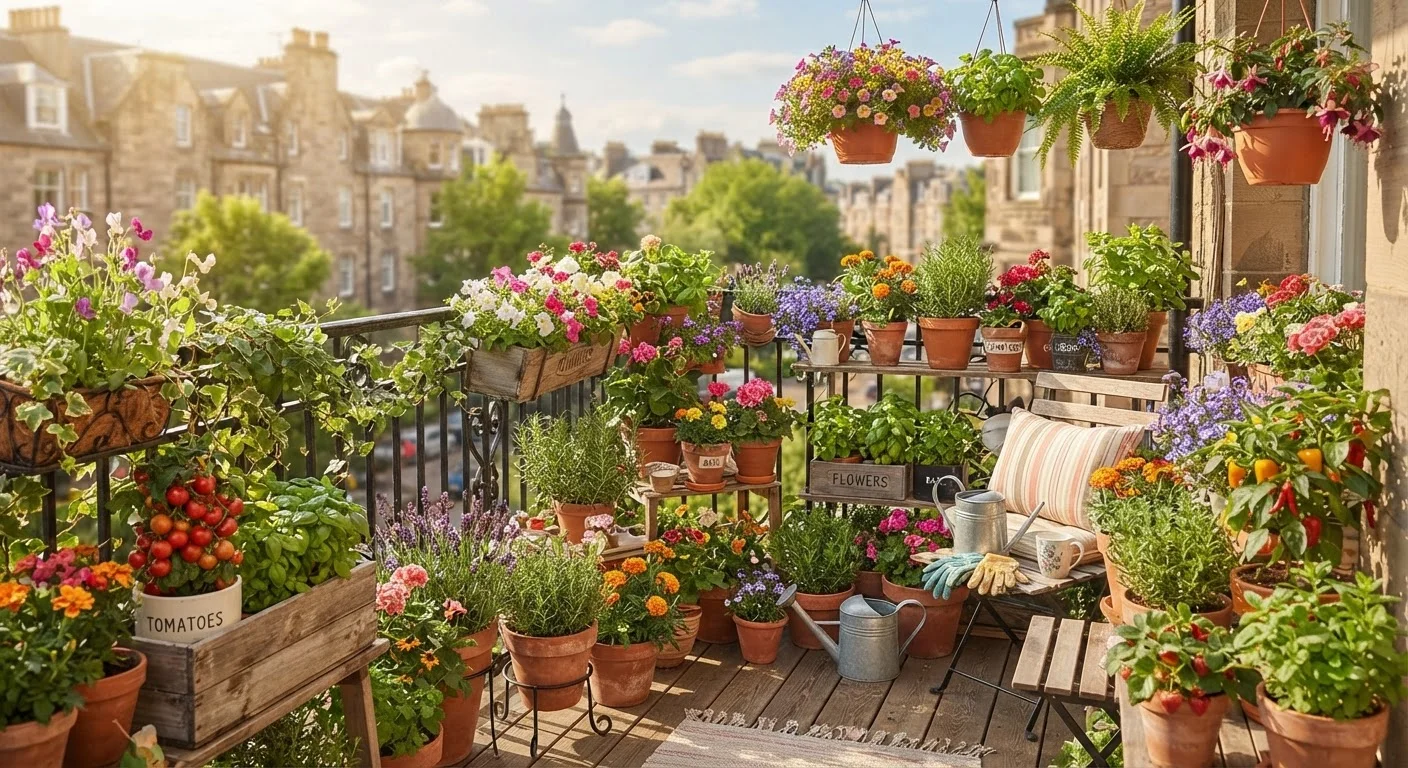
Why Container Gardening Works
Container gardening is one of the most accessible forms of growing plants. It requires no ground space, no tilling, and no permanent commitment to a plot. A sunny balcony, a concrete stoop, or even a fire-escape landing (where local codes allow) can host a productive collection of plants when the right containers are used thoughtfully.
The appeal goes beyond convenience. Containers give gardeners direct control over soil quality, drainage, and positioning. You can move a pot toward sunlight as the seasons shift or bring tender plants indoors before frost. If your outdoor space gets partial shade, containers let you experiment with placement in ways a fixed bed cannot. For a comparison with in-ground methods, see our honest look at raised bed trade-offs.
80%+
U.S. households with some outdoor space
According to U.S. Census Bureau American Housing Survey data, most American households have access to at least a balcony, porch, or patio.
2×
Faster drying rate vs. in-ground soil
Container soil can dry out twice as fast as in-ground beds during warm weather due to limited soil volume and exposure on all sides.
6 inches
Minimum pot depth for most herbs
Most cooperative extension programs recommend at least 6 inches of soil depth for shallow-rooted herbs to develop adequate root systems.
Choosing the Right Container
The single most important variable in container gardening is container size. Undersized pots restrict root development, cause soil to dry out almost daily, and limit yield in edible plants. As a general rule:
- Herbs and small flowers: 6-8 inches in diameter is workable for individual plants.
- Leafy greens and compact peppers: 10-12 inches minimum.
- Tomatoes and squash: 5-gallon containers or larger (roughly 12-14 inches in diameter and depth).
Material matters too. Terracotta is porous and breathable, which benefits roots but means faster moisture loss. Plastic and glazed ceramic retain water longer, useful in hot climates. Fabric grow bags promote air pruning of roots, which encourages denser root systems. Whatever material you choose, every container must have drainage holes at the bottom. Standing water leads to root rot quickly.
When buying a container, choose one size larger than you think you need. Roots expand quickly, and a roomier pot means longer intervals between repotting and less frequent watering.
Root-bound plants - those whose roots have filled every inch of a container - struggle to take up water and nutrients efficiently, stunting growth and reducing yields in edible plants.
Skip the layer of gravel at the bottom of pots - it's a persistent gardening myth. Research shows it actually raises the water table within the pot, increasing the risk of root rot rather than improving drainage.
Water moves through different soil textures in a process called capillary action; a gravel layer interrupts this and causes moisture to accumulate at the boundary rather than drain through.
Soil, Drainage, and Fertilizing
Never fill containers with soil dug from your yard. In-ground soil compacts under its own weight when placed in a pot, cutting off oxygen to roots. Instead, use a potting mix (sometimes labeled potting medium or container mix), which is formulated to stay loose and drain well in confined spaces.
For vegetables and heavy-feeding plants, look for mixes that include compost or slow-release fertilizer built in. You can also amend a basic potting mix with finished compost - our guide to home composting explains how to make your own. If you want even better drainage, mix in a small amount of perlite (lightweight volcanic glass granules) - about one part perlite to four parts mix.
Because nutrients leach out of pots with every watering, container plants need regular feeding. A balanced liquid fertilizer applied every two to three weeks during the growing season keeps plants productive. Slow-release granular fertilizers can supplement this, but they work best alongside periodic liquid feeding.
What to Grow: Flowers, Herbs, and Vegetables
The good news: the list of plants that thrive in containers is long. The key is matching plant size to pot size and sun exposure to your specific spot.
Flowers
Annual flowers such as petunias, marigolds, zinnias, and impatiens are well-suited to containers. They bloom continuously through the season and tolerate the limited root space of a pot well. Marigolds pull double duty - they add color and are known to deter some common garden pests when placed near edibles.
Herbs
Herbs are among the easiest and most rewarding container plants. Basil, parsley, chives, cilantro, thyme, and mint all grow readily in pots. One important note: mint spreads aggressively underground and should always be grown in its own separate container to prevent it from crowding out other plants.
Vegetables
Compact or dwarf varieties of vegetables are bred specifically for small-space growing. Cherry tomatoes, bush beans, lettuce, spinach, radishes, kale, and compact pepper varieties all produce well in containers. Avoid sprawling vining crops like full-sized squash or watermelon unless you have significant space and structural support. If you're new to edible gardening, our beginner vegetable garden guide covers the fundamentals that apply to containers too.
Watering and Ongoing Maintenance
Container plants dry out significantly faster than in-ground plants because roots can't chase moisture deeper into the soil. During summer heat, small pots may need watering daily. The standard check: insert your finger about an inch into the soil. If it feels dry at that depth, water thoroughly until it drains from the bottom holes.
Grouping containers together is a practical strategy that slows moisture loss - plants release water vapor through their leaves, and clustered pots create a more humid microclimate around each other. This also makes watering more efficient since you work through one area at a time.
Deadheading (removing spent flower blooms) keeps flowering annuals producing new buds. For edible plants, harvest regularly - picking mature leaves, pods, or fruits signals the plant to keep producing rather than setting seed and winding down. As spring arrives, use our spring outdoor prep checklist to plan when to repot, refresh soil, and rotate what you're growing.
Common Mistakes and How to Avoid Them
Even experienced gardeners run into predictable container pitfalls. Here are the most common ones and how to sidestep them:
- Using garden soil: Always use potting mix. Garden soil compacts in containers and can introduce pests or disease.
- Pots without drainage: Decorative pots without holes look appealing but drown roots. Either drill holes yourself or use them as a cachepot (decorative outer sleeve) around a functional inner pot.
- Overwatering: More plants die from overwatering than underwatering. Always check soil moisture before adding water.
- Ignoring fertilizer: Nutrients wash out with every watering. Feed regularly throughout the growing season.
- Wrong sun exposure: Read plant labels carefully. Placing a full-sun vegetable in a shaded spot produces weak, unproductive plants. If your space leans shady, our shade gardening guide covers plants that genuinely thrive with less light.
Avoid Placing Heavy Containers Without Checking Weight Limits
Large pots filled with moist soil can weigh well over 50 pounds. Before placing containers on a balcony, rooftop deck, or elevated structure, verify the load-bearing capacity of that surface. If you're unsure, consult a structural engineer or your building manager. Overloading a deck or balcony is a serious safety risk.
The content on this site is provided for informational purposes only and should not be considered a substitute for professional advice. While we strive to provide accurate and up-to-date information, we make no guarantees regarding its completeness or accuracy. Always consult a qualified professional for advice specific to your circumstances before making any decisions.