

Summary
26 items · 1.5-3 hours spread across a weekend
Why a Zone-by-Zone Approach Works
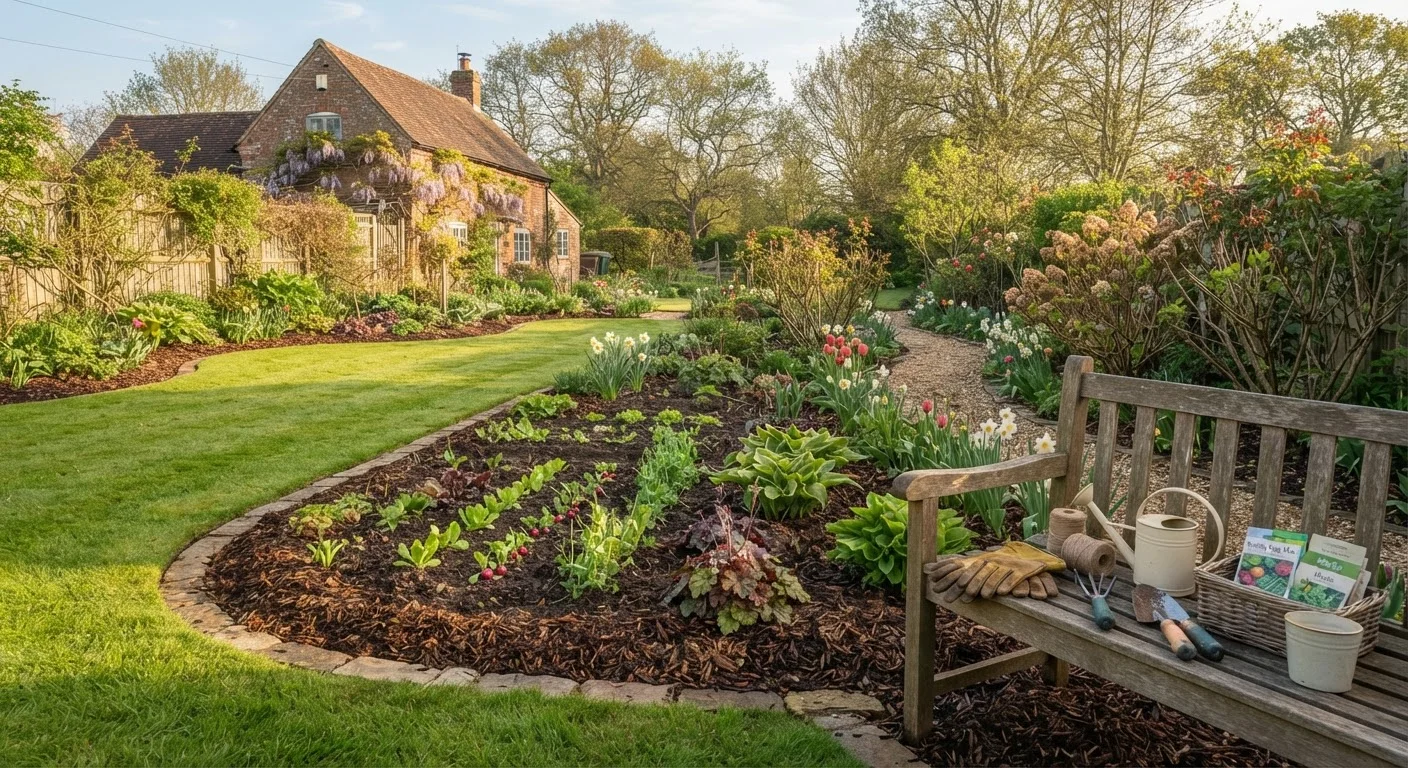
Spring yard prep can feel overwhelming when you look at the whole picture at once. The most effective strategy is to treat your outdoor space like the inside of your home: room by room, or in this case, zone by zone. Working through distinct areas - lawn, garden beds, trees and shrubs, containers, and the tool shed - keeps each task concrete and ensures nothing slips through the cracks.
Timing matters, too. Most spring yard work should begin once nighttime temperatures consistently stay above freezing and the soil is no longer saturated from winter melt. Working in waterlogged soil compacts it, damaging the structure plants depend on for healthy root growth. If you want a month-by-month reference alongside this checklist, our Seasonal Lawn Care Calendar breaks down exactly what to do and when throughout the year.
Use the checklist groups below to work through each zone systematically. Mark items complete as you go, and schedule anything you cannot finish in a single session so it does not get postponed indefinitely.
Soil pH test kit
Measures soil acidity so you know whether to amend before planting or fertilizing.
Garden rake
Removes thatch, spreads mulch evenly, and smooths soil in beds and lawn areas.
Bypass hand pruners
Makes clean cuts on branches up to ¾ inch thick without crushing stems.
Garden fork or cultivator
Loosens compacted bed soil and incorporates compost without disrupting deeper root zones.
Lawn mower (blade sharpened)
Cuts grass cleanly at the start of the season to promote healthy regrowth.
Slow-release granular fertilizer
Feeds lawn and beds gradually over weeks rather than delivering a flush that can burn plants.
Mulch (wood chip or shredded bark)
Suppresses weeds, retains soil moisture, and moderates soil temperature through summer.
Hose with adjustable nozzle
Provides controlled watering for newly seeded areas and newly planted divisions.
Zone-by-Zone Spring Prep Checklist
Work through each zone in sequence. Lawn and soil work typically come first since they set the foundation; tree and shrub pruning can happen in parallel once you have confirmed which plants are showing new growth.
Lawn
Garden Beds
Trees and Shrubs
Patio, Paths, and Structures
Tool Shed and Supplies
Don't Work Soil That's Still Waterlogged
Digging or walking on saturated soil crushes the air pockets between soil particles that roots depend on. Grab a handful of soil and squeeze it: if it clumps tightly and does not crumble when you open your hand, it is still too wet to work. Give it a few more days and test again before proceeding with bed prep or seeding.
Know When to Call a Professional for Tree Work
Removing large limbs, deadwood near structures, or any tree work that requires climbing or cutting near power lines should be handled by a certified arborist. DIY tree removal and large-limb pruning carry serious injury risks and may require permits in some localities. Confirm local regulations and consult a professional whenever the work goes beyond basic pruning of small branches you can reach from the ground.
For gardeners who grow in pots and planters rather than in-ground beds, many of these principles apply directly. Our guide to container gardening covers how to refresh potting mix, check drainage, and set up containers for a productive growing season. If your yard has significant shade, shade gardening strategies can help you choose plants suited to low-light zones before you shop for new additions.
Improving your soil is one of the highest-return investments you can make each spring. Folding finished compost into beds restores the organic matter that microbes, earthworms, and plant roots all depend on. If you are not already composting kitchen and yard waste, this is a great season to start - see our guide to composting at home for a straightforward setup process.
Check Local Frost Dates Before Planting
The single most common spring gardening mistake is planting too early. Even if days feel warm, a single hard frost can kill tender transplants and emerging seedlings overnight. Look up the average last frost date for your specific zip code through your local cooperative extension service and use that date as your minimum benchmark before putting warm-season plants or frost-sensitive annuals in the ground.
Spring yard prep also dovetails with broader home maintenance. Many of the same weekend sessions that address your landscape are a good time to check gutters, downspouts, and exterior drainage - tasks covered in our seasonal home maintenance checklist.
The content on this site is provided for informational purposes only and should not be considered a substitute for professional advice. While we strive to provide accurate and up-to-date information, we make no guarantees regarding its completeness or accuracy. Always consult a qualified professional for advice specific to your circumstances before making any decisions.