

Start here
Why the First Year Sets the Tone
Foundation
Your Owner's Manual: The Most Underused Tool You Already Have
Core skills
The Core Maintenance Tasks Every New Owner Should Know
Stay alert
Warning Signs You Should Never Ignore
Long-term habit
Building a Maintenance Routine That Actually Sticks
Why the First Year Sets the Tone
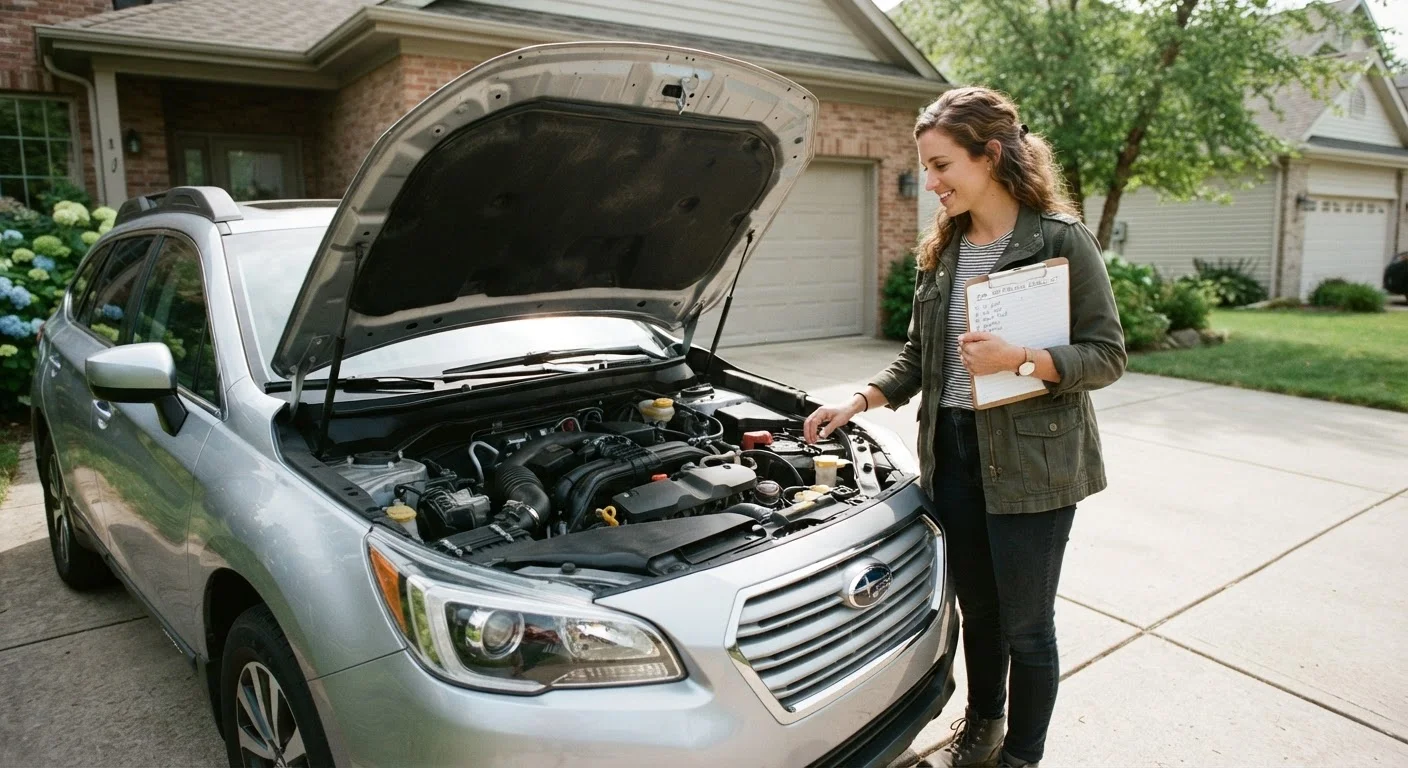
The habits you build in your first twelve months of car ownership tend to stick. New owners who treat maintenance as optional often face avoidable breakdowns, shortened vehicle lifespans, and repair bills that could have been prevented with routine care. Those who learn early find that keeping a car reliable is far less complicated - and less expensive - than fixing one that has been neglected.
Maintenance also connects directly to safety. Worn tires, low brake fluid, and a failing battery don't just cost money - they put you and other road users at risk. For more on how safe driving habits and vehicle upkeep reinforce each other, the Safe Driving hub covers the key principles worth knowing from day one.
It's also worth understanding the full picture of what owning a car actually costs. Ownership costs that catch new drivers off guard outlines the recurring expenses - like tire replacements and registration renewals - that often surprise first-time owners who only budgeted for fuel and insurance.
Your Owner's Manual: The Most Underused Tool You Already Have
Every vehicle comes with an owner's manual, and the vast majority of new owners never open it. This is a missed opportunity. The manual contains your vehicle's exact maintenance schedule - oil change intervals, tire rotation frequency, fluid specifications, and when to replace filters - all specific to your make, model, and engine type.
Manufacturer-recommended intervals are the standard you should follow. Service reminders from dealerships sometimes suggest more frequent visits than your manual requires. Knowing what your car actually needs - rather than what a service department recommends - puts you in control of your maintenance decisions and your budget.
Maintenance interval
The mileage or time period after which a specific service - like an oil change or tire rotation - should be performed, as specified by the manufacturer.
Dipstick
A long, thin rod inserted into the engine that lets you check the level and condition of your engine oil without special tools.
Tire tread depth
The measurement of how much rubber remains on your tire's surface. Insufficient tread reduces grip, especially in wet or slippery conditions.
Severe driving conditions
Driving patterns - such as frequent short trips, extreme temperatures, or heavy towing - that put extra stress on vehicle components and often require more frequent maintenance.
OBD code
A diagnostic code stored by your car's onboard computer when it detects a fault. Shops use a scanner to read this code and identify what triggered the Check Engine Light.
For a deeper explanation of how to interpret the mileage intervals and condition-based schedules in your manual, see what the numbers on your maintenance schedule actually mean.
The Core Maintenance Tasks Every New Owner Should Know
A handful of tasks cover the majority of what keeps a car running reliably. Understanding each one - even if you plan to have a shop handle them - makes you a more informed owner.
Engine Oil
Oil lubricates the engine's moving parts and prevents catastrophic wear. Check the level monthly using the dipstick and change the oil at your manufacturer's recommended interval. Running an engine low on oil is one of the fastest ways to cause permanent damage. For a full explanation of engine oil alongside other critical fluids, see car fluid maintenance done right.
Tire Pressure and Tread
Properly inflated tires improve fuel efficiency, handling, and safety. Check pressure monthly - including the spare - using a gauge, not just a visual inspection. The correct pressure is listed on a sticker inside your driver's door jamb, not on the tire sidewall. Tread depth matters too: shallow tread significantly extends stopping distances in wet conditions.
Brakes
Brake pads wear gradually and should be inspected at each tire rotation. Squealing or grinding sounds when braking are clear signals that inspection is overdue. Brake work should always be done by a qualified mechanic - this is not a DIY task for new owners. See DIY vs. shop for a clear breakdown of which jobs are safe to handle yourself.
Keep a Simple Maintenance Log
Record every service - oil changes, tire rotations, fluid top-offs - with the date and mileage in a small notebook or phone app. This habit takes seconds and pays off when selling the vehicle, visiting a new mechanic, or tracking recurring issues.
Warning Signs You Should Never Ignore
Modern vehicles communicate problems through dashboard warning lights, sounds, and handling changes. Learning to recognize these signals early is one of the most valuable skills a new owner can develop.
- Check Engine Light: Can indicate anything from a loose gas cap to a serious engine fault. Don't assume it will resolve on its own - have the code read at a shop.
- Oil Pressure Warning (red): Stop driving as soon as it is safe to do so. Continuing to drive with low oil pressure can destroy an engine within minutes.
- Temperature Warning: An overheating engine requires immediate attention. Pull over safely, turn off the engine, and do not open the radiator cap while hot.
- Brake Warning Light: May indicate low brake fluid or a system fault. Have it inspected before your next trip if it appears while driving.
- Unusual Sounds: Grinding, clunking, or squealing that is new and persistent warrants a mechanic's attention - not just monitoring.
If dashboard language feels unfamiliar, talking to a mechanic without getting lost in the jargon can help you communicate what you're experiencing clearly and confidently.
Never Ignore a Red Warning Light
Yellow dashboard lights often indicate a developing issue that should be addressed soon. Red lights, particularly oil pressure and engine temperature warnings, signal immediate danger to your vehicle. Continuing to drive can cause permanent, costly damage within a very short distance.
Building a Maintenance Routine That Actually Sticks
The best maintenance schedule is one you actually follow. Most new owners do well with a simple tiered approach: monthly visual checks, interval-based service appointments tied to mileage, and seasonal reviews before winter and summer driving conditions.
Set calendar reminders for monthly checks and schedule oil changes in advance rather than waiting until you notice a problem. Keep a simple log - a notes app or a small notebook in your glove box - recording what was done and when. This documentation also has practical value: a clear service history supports resale value and helps mechanics diagnose problems faster.
Be aware that certain driving patterns - frequent short trips, stop-and-go traffic, extreme temperatures, or towing - count as severe driving conditions and may require more frequent service intervals. Your owner's manual will define what qualifies as severe use for your vehicle.
Finally, it's worth knowing which habits quietly accelerate wear even when you're following a standard maintenance schedule. The habits that quietly shorten the life of your engine covers the everyday behaviours - like prolonged cold-weather idling and ignoring early warning signs - that compound over time.
Frequently Asked Questions
It depends on your vehicle and the type of oil it uses. Many modern cars using full synthetic oil can go 7,500 to 10,000 miles between changes, while older vehicles or those using conventional oil may need changes every 3,000 to 5,000 miles. Always check your owner's manual for the manufacturer's recommended interval.
A basic monthly check should include tire pressure, engine oil level, coolant level, and a visual scan for any warning lights on the dashboard. These quick checks take under 10 minutes and can catch developing problems before they become serious.
It depends on the light. A tire pressure warning or low fuel indicator is less immediately urgent than a red oil pressure or temperature warning, which require stopping the vehicle promptly. When in doubt, consult your owner's manual or contact a mechanic before continuing to drive.
Tasks like checking tire pressure, topping off windshield washer fluid, replacing wiper blades, and checking engine oil are generally safe for beginners. Anything involving brakes, electrical systems, or suspension should be handled by a qualified mechanic.
Maintenance costs vary widely based on the vehicle's age, make, and mileage. As a general guideline, many ownership guides suggest setting aside a few hundred dollars annually for routine maintenance, with older vehicles typically requiring more. Unexpected repairs are also common, so a separate emergency fund is wise.
No - the manufacturer's maintenance schedule in your owner's manual is the authoritative source, not the dealership's service reminders, which sometimes recommend more frequent intervals. Following the manufacturer's guidelines is generally sufficient and protects any warranty coverage.
The content on this site is provided for informational purposes only and should not be considered a substitute for professional advice. While we strive to provide accurate and up-to-date information, we make no guarantees regarding its completeness or accuracy. Always consult a qualified professional for advice specific to your circumstances before making any decisions.