

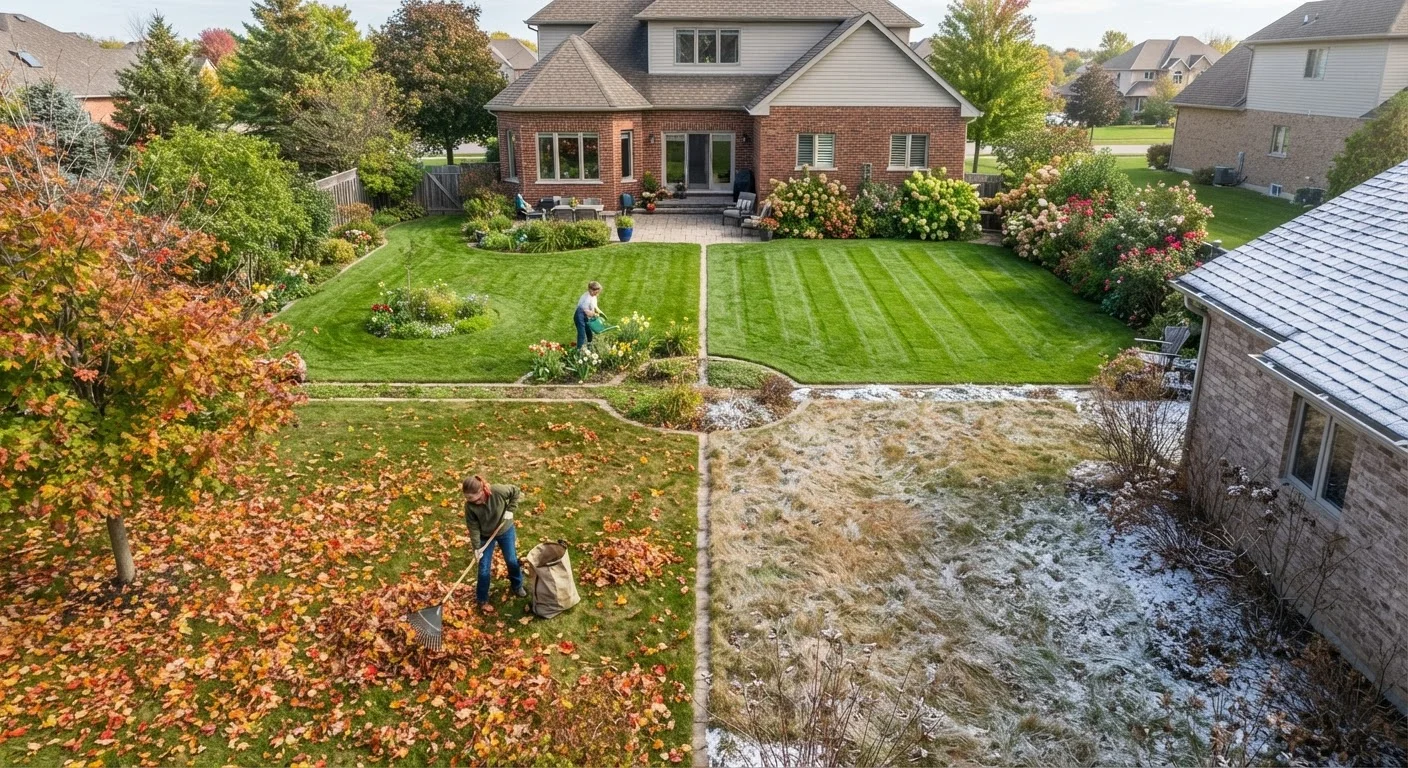
Why a Seasonal Approach to Lawn Care Works
Most lawn problems - thin grass, bare patches, disease, and weed invasions - stem from doing the right task at the wrong time of year. Grass is a living plant that cycles through active growth, stress, and dormancy depending on temperature and day length. Matching your care routine to those cycles is the single most effective thing you can do for a healthy lawn.
This calendar is organized by season rather than calendar month because climate varies widely across the U.S. A homeowner in Georgia and one in Minnesota experience "spring" at very different times. Use soil temperature and visible growth as your cues, not the date. For a deeper look at habits that quietly set lawns back, see common lawn care myths debunked.
Spring: Wake Up and Prepare Your Lawn
Spring is the most active window for lawn preparation. Resist the urge to act too early - working on wet, soft soil compacts it and damages new root growth.
- Rake and dethatch: Remove winter debris and the layer of dead grass (thatch) that can block water and nutrients from reaching roots. Dethatching is most effective when the lawn is actively growing.
- Overseed bare or thin areas: Cooler spring temperatures and consistent moisture give grass seed its best chance to germinate. Learn the causes of bare patches before seeding so you fix the underlying problem.
- Apply pre-emergent weed control: Timing matters here - apply before soil temperatures reach 55°F (the threshold for crabgrass germination), but only if you are not seeding, since pre-emergents prevent all seed germination.
- Fertilize cool-season grasses lightly: A light, slow-release nitrogen application supports green-up without pushing excessive tender growth that is vulnerable to late frosts.
For a full outdoor zone-by-zone checklist, see our spring yard prep guide.
Summer: Manage Stress and Maintain Consistently
Summer is maintenance mode, not improvement mode. Heat and drought stress grass, so the goal is to protect what you have rather than push growth.
- Mow high: Set your mower blade to leave grass at least 3-4 inches tall. Taller blades shade soil, reduce moisture evaporation, and crowd out weeds.
- Water deeply and infrequently: Aim for about one inch of water per week, applied in one or two sessions rather than daily shallow sprinkles. Shallow watering habits weaken root systems over time.
- Skip fertilizer during peak heat: Fertilizing warm-season grass in midsummer is fine, but cool-season grasses should not be heavily fertilized in July and August - it stresses already-struggling turf.
- Watch for grubs and fungal disease: Brown patches that don't recover after watering can signal pest or disease activity rather than drought stress.
Cool-Season vs. Warm-Season Grasses React Differently
Cool-season grasses like Kentucky bluegrass and tall fescue thrive in spring and fall but go semi-dormant in summer heat. Warm-season varieties like Bermuda and Zoysia, common in the South, peak in summer and go dormant in winter. Knowing your grass type is essential because fertilizing, seeding, and aeration timing differ significantly between the two. If you are unsure which type you have, your local cooperative extension office can help you identify it.
Fall: The Most Important Season for Long-Term Health
Fall is when cool-season grasses (like fescue, bluegrass, and ryegrass) do their most productive growing. It is the single best time to seed, fertilize, and aerate.
- Aerate compacted soil: Core aeration pulls small plugs of soil from the lawn, allowing air, water, and nutrients to penetrate deeper. Do this before overseeding for the best results.
- Overseed aggressively: Soil is still warm enough for germination, but air temperatures are cool - ideal conditions for new grass to establish before winter.
- Fertilize with a winterizer blend: A fertilizer higher in potassium (the third number on the bag label) helps grass build cold tolerance and store energy for spring green-up.
- Keep mowing until growth stops: Don't let grass go into winter too tall - long blades can mat down under snow and promote fungal conditions like snow mold.
Pairing your fall lawn work with broader home maintenance checks is efficient - our seasonal home maintenance guide covers what else needs attention before cold weather arrives.
Winter: Rest, Plan, and Protect
For most of the U.S., winter means lawn dormancy. The grass isn't dead - it's conserving energy underground. Your job is mostly to stay off it and plan ahead.
- Minimize foot traffic: Dormant grass blades are brittle and slow to recover from compaction or wear. Route foot traffic away from turf areas where possible.
- Avoid de-icing salt near grass edges: Sodium-based ice melts can damage soil structure and grass roots along driveways and walkways. Consider sand or calcium chloride alternatives in those zones.
- Service your equipment: Sharpen mower blades, change the oil, and inspect irrigation heads while everything is idle. A dull blade tears grass rather than cutting it cleanly.
- Review your lawn's performance: Note where bare spots, drainage issues, or weed pressure appeared. Planning improvements in winter means you can act immediately when conditions are right in spring.
This article provides general lawn care education for informational purposes. Local climate, grass type, and soil conditions vary significantly - consider consulting a local cooperative extension service for region-specific guidance.
The content on this site is provided for informational purposes only and should not be considered a substitute for professional advice. While we strive to provide accurate and up-to-date information, we make no guarantees regarding its completeness or accuracy. Always consult a qualified professional for advice specific to your circumstances before making any decisions.