

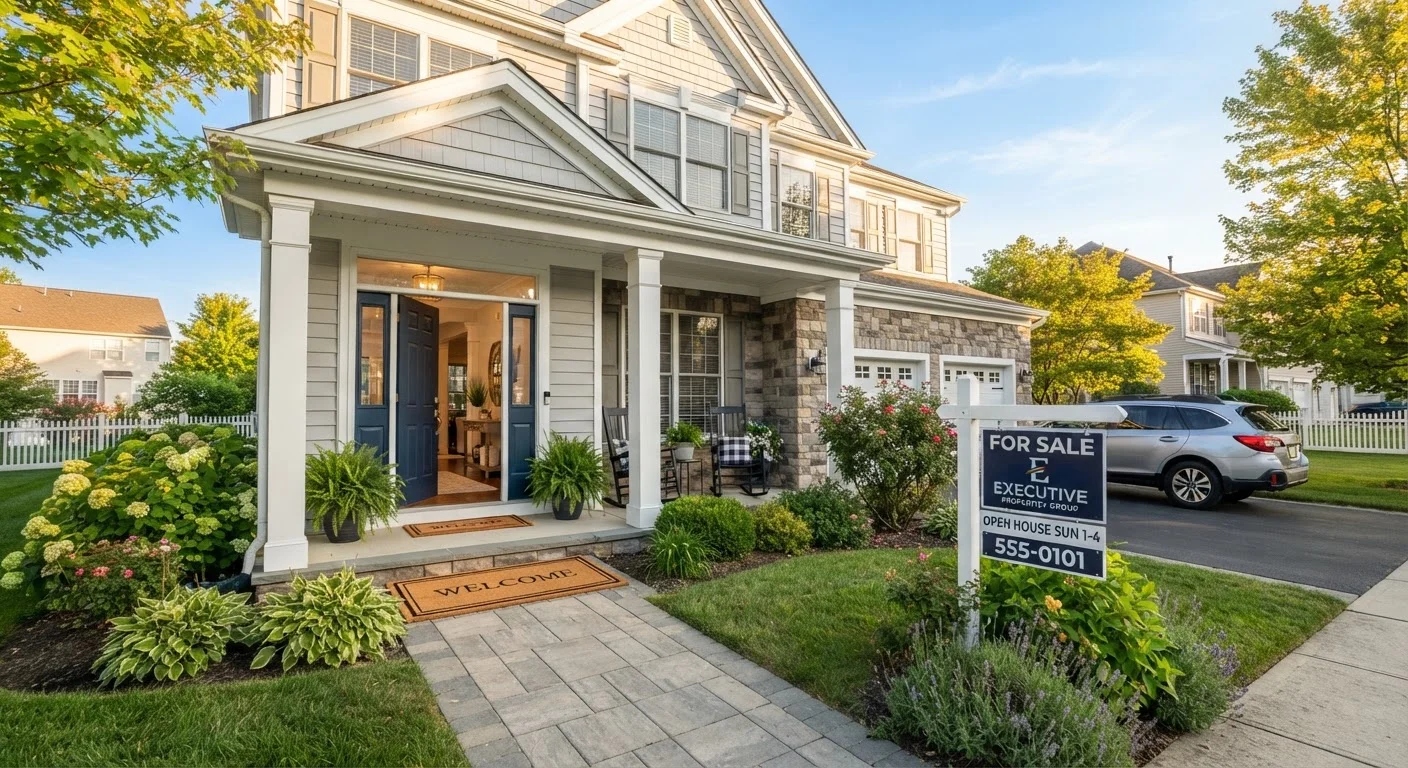
Why Open House Myths Persist Among Sellers
When sellers picture their home going on the market, an open house often feels like an essential step - a bustling weekend event that puts the home in front of dozens of buyers at once. That picture is appealing, but it is largely built on assumptions that real estate professionals have been quietly questioning for years.
Open houses became a standard marketing tool in an era before the internet, when physically visiting a property was often the only way a buyer could evaluate it. Today, buyers typically tour a home extensively through photos, virtual walkthroughs, and neighborhood data before they ever schedule a visit. The role of the open house has shifted - but many sellers haven't caught up to that reality.
Understanding what open houses actually accomplish - and what they don't - helps sellers make smarter decisions about their marketing strategy. See our guide to selling as-is vs. making repairs for related strategic decisions before you list.
Myth
An open house is essential for selling a home - skipping it means missing serious buyers.
Fact
Research consistently shows that very few homes are actually sold to buyers who first visited through an open house.
According to the National Association of Realtors, only a small fraction of buyers - typically in the single digits by percentage - cite an open house as the step that led to their purchase. Most buyers today find homes through online listings, agent referrals, or targeted private showings. Skipping an open house does not significantly reduce a home's exposure when it is properly listed and marketed online.
Myth
Open houses attract motivated buyers who are ready to make an offer.
Fact
Open houses disproportionately attract curious neighbors, casual browsers, and early-stage researchers - not active buyers with financing in place.
People who attend open houses without an appointment tend to be at the beginning of their home search, not the end. Buyers who are actively ready to purchase typically work with an agent and arrange private showings at their convenience. An open house that draws 30 visitors may include very few who are pre-approved and prepared to make an offer on that specific home.
Myth
Holding an open house helps establish the home's asking price as fair.
Fact
Market data, comparable sales, and appraisals - not open house attendance - determine whether a price is defensible.
A busy open house might feel like validation of a listing price, but buyer foot traffic does not equal buyer willingness to pay. A home priced above market value will attract visitors just as readily but still fail to generate competitive offers. Price credibility comes from a well-supported comparative market analysis (CMA), not from how many people signed the guest sheet on Sunday afternoon.
Myth
An open house creates competition and can drive up the sale price.
Fact
Offer competition is driven by low inventory and genuine buyer demand, not by gathering multiple visitors in the same afternoon.
Multiple-offer situations happen when there are more qualified, motivated buyers than available homes - a condition that exists in the broader market regardless of whether an open house is held. An open house can coincide with a competitive offer environment, but it does not create one. Sellers hoping to generate a bidding war are better served by correct pricing and strong digital marketing than by scheduling weekend showings.
Myth
Open houses are risk-free - the more exposure the better.
Fact
Open houses carry real security risks, including theft of valuables and personal items, that sellers often underestimate.
When a home is open to unaccompanied strangers, the opportunity for theft or information gathering by bad actors increases meaningfully. Small valuables, prescription medications, financial documents, and personal identifying information should be secured or removed before any open house. Sellers should have a frank conversation with their agent about security protocols - including whether more controlled private showings might be a better fit for their situation.
What Sellers Should Actually Expect From an Open House
None of this means an open house is always the wrong call. In a competitive market with high foot traffic, an open house held early in a listing's life can create a sense of activity and urgency that benefits the seller. It can also help an agent gather real-time feedback about how buyers perceive the home's price, condition, or presentation.
The key is treating an open house as one tool among several - not as a guaranteed path to an offer. Sellers who understand this distinction can weigh the costs (time, preparation, security considerations) against realistic benefits rather than inflated expectations.
3%
Buyers who found their home via open house
According to the National Association of Realtors' Profile of Home Buyers and Sellers, open houses consistently rank near the bottom of the sources buyers credit for finding the home they purchased.
96%
Home searches that begin online
NAR data shows that the vast majority of buyers use the internet at some point during their home search, making digital listings far more influential than in-person open house events.
Before planning a showing strategy, it's also worth reviewing what FSBO actually involves, since the decision to hold open houses often intersects with whether an agent is managing your marketing. And for a fuller picture of your obligations throughout the sale process, the paperwork behind selling a house is a useful reference.
Secure Your Home Before Opening It to Strangers
Before hosting any open house, remove or lock away prescription medications, small electronics, financial documents, spare keys, and personal mail. Unsupervised visitors - even well-intentioned ones - can access areas of the home that are not meant for tours. Ask your agent how they plan to monitor the event and whether a single-agent open house is adequate for the size of your home.
This article is for general informational purposes only and does not constitute real estate, legal, or financial advice. Consult a licensed real estate professional for guidance specific to your market and situation.
The content on this site is provided for informational purposes only and should not be considered a substitute for professional advice. While we strive to provide accurate and up-to-date information, we make no guarantees regarding its completeness or accuracy. Always consult a qualified professional for advice specific to your circumstances before making any decisions.