

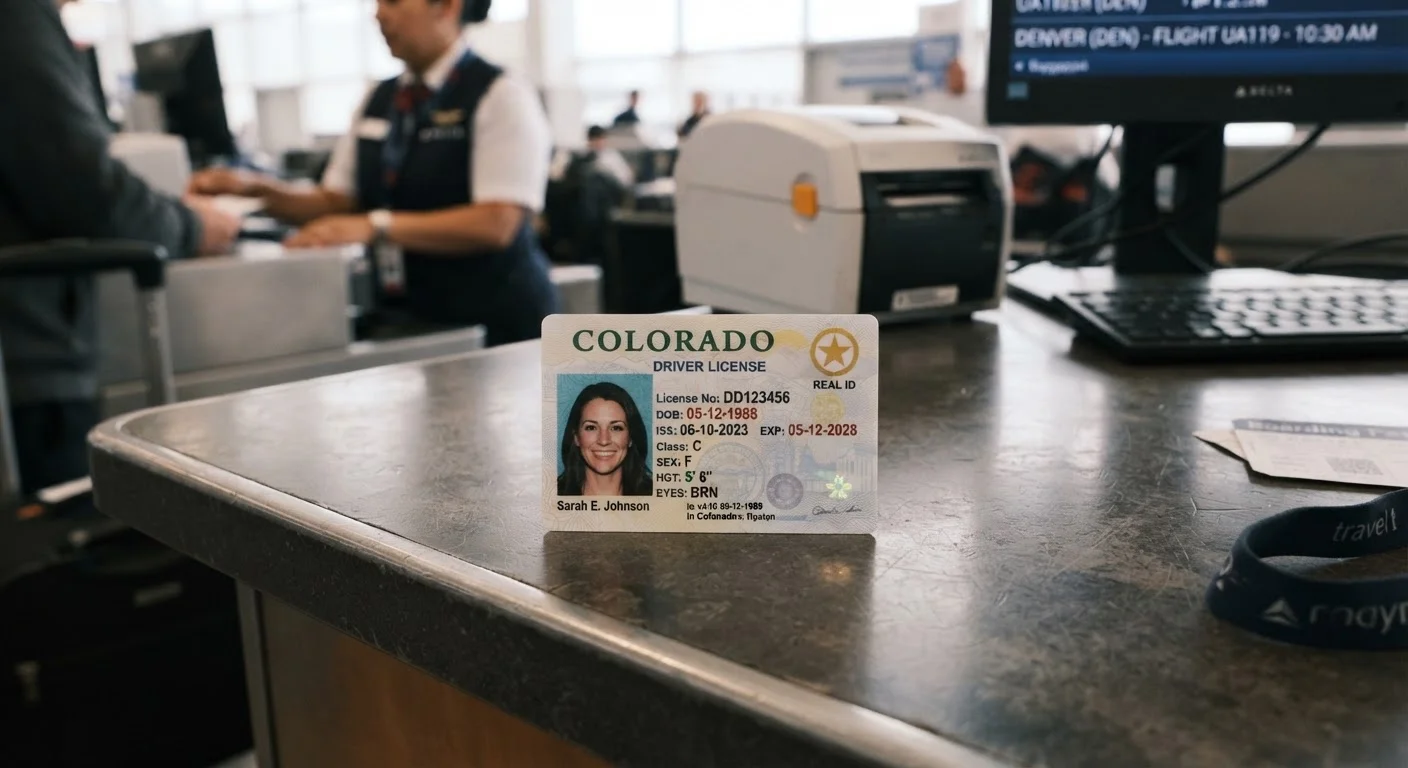
What REAL ID Is and Why It Was Created
The REAL ID Act is a federal law passed by Congress in 2005 following recommendations from the 9/11 Commission. Its purpose is to establish minimum security standards for state-issued driver's licenses and ID cards, making it harder to obtain fraudulent identification. States must verify an applicant's identity and legal presence before issuing a compliant card.
For everyday travelers, the practical effect is straightforward: beginning May 7, 2025, the Transportation Security Administration (TSA) requires a REAL ID-compliant document - or an acceptable alternative - to board domestic commercial flights within the United States. Without one, you will not pass through the security checkpoint, regardless of how early you arrive.
This applies only to domestic air travel and access to certain federal facilities. It is not a requirement for driving, voting, or most other daily activities. If you're also planning international travel, see our guide on managing passports and travel documents for what you'll need beyond REAL ID.
How to Know If Your ID Qualifies
A REAL ID-compliant driver's license or state ID card displays a gold or black star in the upper corner - typically the upper right. If your license doesn't have that star marking, it is not REAL ID-compliant, even if it's otherwise valid. Some states issue enhanced driver's licenses (EDLs), which are also federally accepted and marked differently; check your state DMV's guidance to confirm.
If your state-issued ID is not compliant, you have alternatives. The TSA accepts a range of other documents in place of a starred license:
- U.S. passport or passport card
- DHS Trusted Traveler cards (Global Entry, NEXUS, SENTRI, FAST)
- U.S. military ID
- Permanent resident card (Green Card)
- Employment Authorization Document (EAD)
- Foreign government-issued passport
The full and current list is maintained on the TSA website, which you should check before your trip since the list can be updated. Always verify entry and security requirements with official government sources - conditions can change.
REAL ID Act
A 2005 federal law establishing minimum security standards for state-issued IDs and driver's licenses. It requires states to verify identity and legal presence before issuing compliant cards.
REAL ID-compliant
A state-issued ID or license that meets all federal standards under the REAL ID Act, typically indicated by a star marking on the card.
Enhanced Driver's License (EDL)
A state-issued driver's license that meets federal requirements and is also accepted for border crossings into the U.S. from Canada and Mexico. Only some states offer EDLs.
TSA (Transportation Security Administration)
The federal agency responsible for security at U.S. airport checkpoints. TSA officers verify traveler identification before allowing entry to the secure boarding area.
Trusted Traveler Program
DHS-managed programs such as Global Entry, NEXUS, and SENTRI that grant pre-vetted travelers expedited screening. Cards issued by these programs are accepted in place of REAL ID.
For a broader look at document organization before departure, our pre-travel checklist walks through what to confirm ahead of any trip.
What to Do If You Don't Have a Compliant ID
If your driver's license lacks the star marking and you don't have a passport or other accepted alternative, your clearest path is to visit your state's DMV and upgrade to a REAL ID-compliant card. You'll typically need to bring documents verifying your identity (such as a birth certificate or passport), your Social Security number, and proof of state residency. Processing times vary by state, so check your DMV's current wait times and apply well before any planned travel.
If you have a U.S. passport - even an expired one within a certain timeframe - confirm with the TSA whether it's currently on the accepted list before relying on it at the checkpoint. A valid, unexpired U.S. passport remains the most universally accepted alternative to a REAL ID-compliant license for domestic travel.
DMV Wait Times Can Be Significant
Some states have reported extended wait times for REAL ID appointments, particularly in high-population areas. If your travel is within the next few months and your license isn't compliant, apply for your upgraded ID as soon as possible. In the meantime, a valid U.S. passport serves as an accepted alternative at checkpoints.
Once you've confirmed your documents are in order, pair that with a full pre-trip review. Our pre-trip checklist covers bookings, home prep, and last-minute tasks alongside document verification. And when you're ready to navigate the airport itself, the TSA checkpoint field guide explains exactly what to expect at screening.
The content on this site is provided for informational purposes only and should not be considered a substitute for professional advice. While we strive to provide accurate and up-to-date information, we make no guarantees regarding its completeness or accuracy. Always consult a qualified professional for advice specific to your circumstances before making any decisions.