

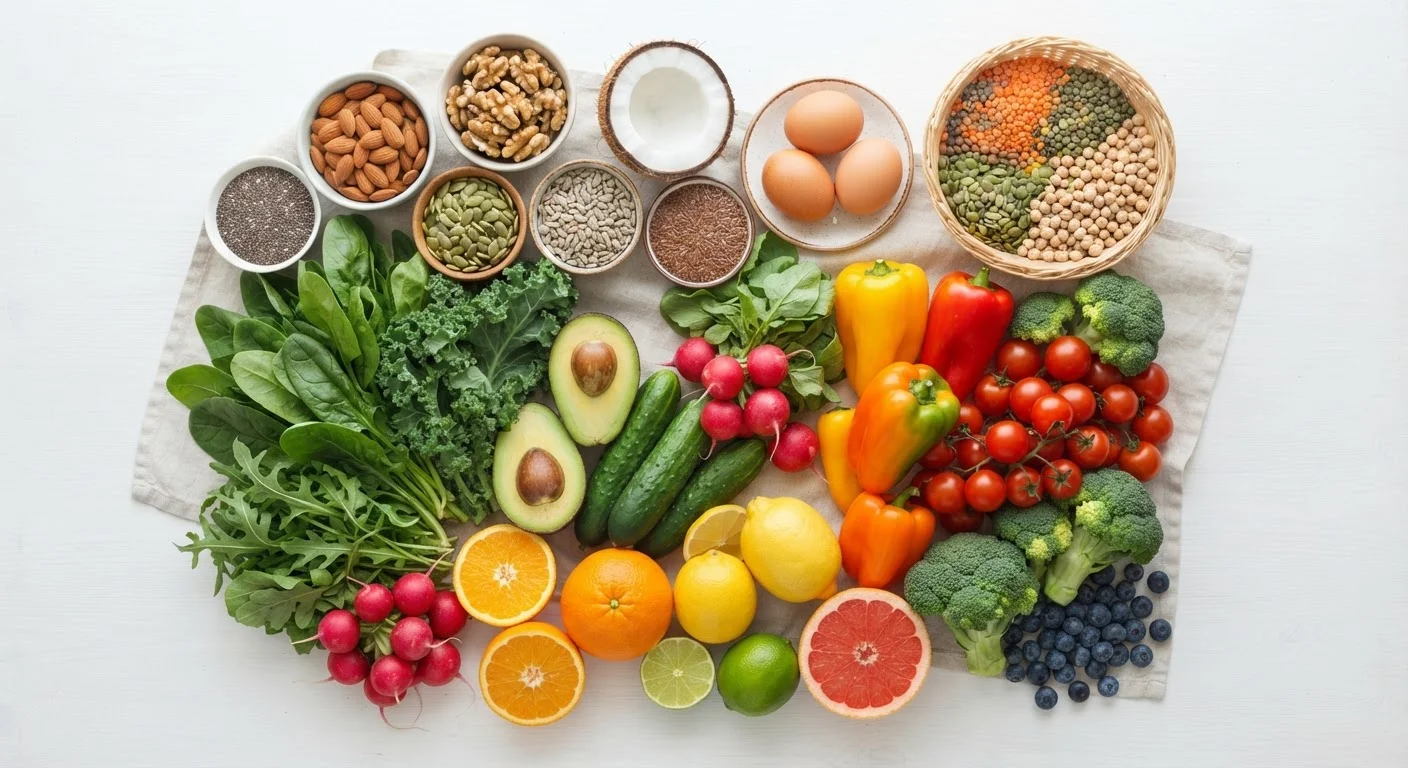
What Are Micronutrients?
Micronutrients are vitamins and minerals your body needs in relatively small amounts - but don't let the word micro fool you. They drive hundreds of processes, from converting food into energy to keeping your immune system functional. Unlike macronutrients like carbohydrates, protein, and fat, micronutrients don't provide calories. Instead, they act as the machinery that helps your body use those calories well.
There are two broad categories:
- Vitamins - organic compounds that can be broken down by heat, air, or cooking. They include fat-soluble vitamins (A, D, E, K), which your body stores, and water-soluble vitamins (C and the B vitamins), which aren't stored and need regular replenishment.
- Minerals - inorganic elements drawn from soil and water. Major minerals like calcium and magnesium are needed in larger amounts; trace minerals like iron and zinc are required only in tiny quantities but are still essential.
| Total essential vitamins | 13 (National Institutes of Health, Office of Dietary Supplements) |
| Total essential minerals | At least 16 recognized (Dietary Reference Intakes, National Academies of Sciences) |
| Most common deficiency in the U.S. | Vitamin D and iron (CDC Second National Report on Biochemical Indicators of Diet and Nutrition, 2012) |
| Nutrient most lacking in plant-based diets | Vitamin B12 (NIH Office of Dietary Supplements) |
| Vitamin produced by sun exposure | Vitamin D (NIH Office of Dietary Supplements) |
| Mineral essential for thyroid health | Iodine (American Thyroid Association) |
Key Vitamins and What They Do
Here's a practical look at the vitamins most relevant to everyday health, along with reliable food sources:
- Vitamin A - supports vision, immune defense, and skin health. Found in liver, dairy, eggs, and as beta-carotene in orange and yellow vegetables like carrots and sweet potatoes.
- B Vitamins (B1, B2, B3, B5, B6, B7, B9, B12) - this family supports energy metabolism, nervous system function, and red blood cell production. Whole grains, legumes, leafy greens, meat, fish, and dairy are rich sources. Folate (B9) is especially important during pregnancy; B12 is found almost exclusively in animal products, making it a key concern for vegans.
- Vitamin C - an antioxidant that aids collagen production, iron absorption, and immune response. Citrus fruits, bell peppers, strawberries, and broccoli are excellent sources.
- Vitamin D - essential for calcium absorption, bone strength, and immune regulation. The skin produces it with sun exposure; few foods contain meaningful amounts naturally (fatty fish and fortified products are exceptions).
- Vitamin E - an antioxidant protecting cell membranes. Found in nuts, seeds, and vegetable oils.
- Vitamin K - critical for blood clotting and bone metabolism. Leafy greens like kale and spinach are the most concentrated sources.
Micronutrients
Vitamins and minerals required in small amounts that support essential body functions without providing direct caloric energy.
Fat-soluble vitamins
Vitamins A, D, E, and K, which dissolve in fat and are stored in the body's fatty tissue and liver for later use.
Water-soluble vitamins
Vitamin C and the eight B vitamins, which dissolve in water and are not stored in significant amounts, requiring regular dietary intake.
Trace minerals
Minerals like iron, zinc, iodine, and selenium that are needed in very small quantities but are still critical to normal body function.
Antioxidant
A compound that helps neutralize unstable molecules called free radicals, which can damage cells over time. Vitamins C and E are common dietary antioxidants.
Bioavailability
The proportion of a nutrient that is actually absorbed and used by the body, which can vary depending on the food source, preparation method, and other nutrients consumed alongside it.
Essential Minerals at a Glance
Minerals build structure and regulate body chemistry. Below are the ones most commonly discussed in everyday nutrition:
- Calcium - the most abundant mineral in the body, vital for bone and teeth strength, muscle contraction, and nerve signaling. Dairy products, fortified plant milks, tofu, and leafy greens supply it.
- Iron - carries oxygen in red blood cells. Heme iron (from meat and seafood) is absorbed more readily than non-heme iron (from beans, lentils, and spinach). Pairing non-heme sources with vitamin C improves absorption.
- Magnesium - involved in over 300 enzymatic reactions, including energy production and blood sugar regulation. Nuts, seeds, legumes, and whole grains are good sources.
- Potassium - maintains fluid balance and supports healthy blood pressure. Bananas, potatoes, beans, and leafy greens provide it generously.
- Zinc - supports immune function, wound healing, and taste perception. Found in meat, shellfish, legumes, and pumpkin seeds.
- Iodine - required for thyroid hormone production. Iodized salt and seafood are the primary dietary sources for most Americans.
- Selenium - an antioxidant trace mineral supporting thyroid function. Brazil nuts, fish, and eggs are concentrated sources.
Building a nutrient-dense eating pattern - one that prioritizes whole foods across all food groups - remains the most effective strategy for meeting your mineral needs without relying heavily on supplements.
This article is for general informational purposes only and does not constitute medical or dietary advice. Speak with a qualified healthcare professional or registered dietitian before making significant changes to your diet or starting any supplement regimen.
The content on this site is provided for informational purposes only and should not be considered a substitute for professional advice. While we strive to provide accurate and up-to-date information, we make no guarantees regarding its completeness or accuracy. Always consult a qualified professional for advice specific to your circumstances before making any decisions.