

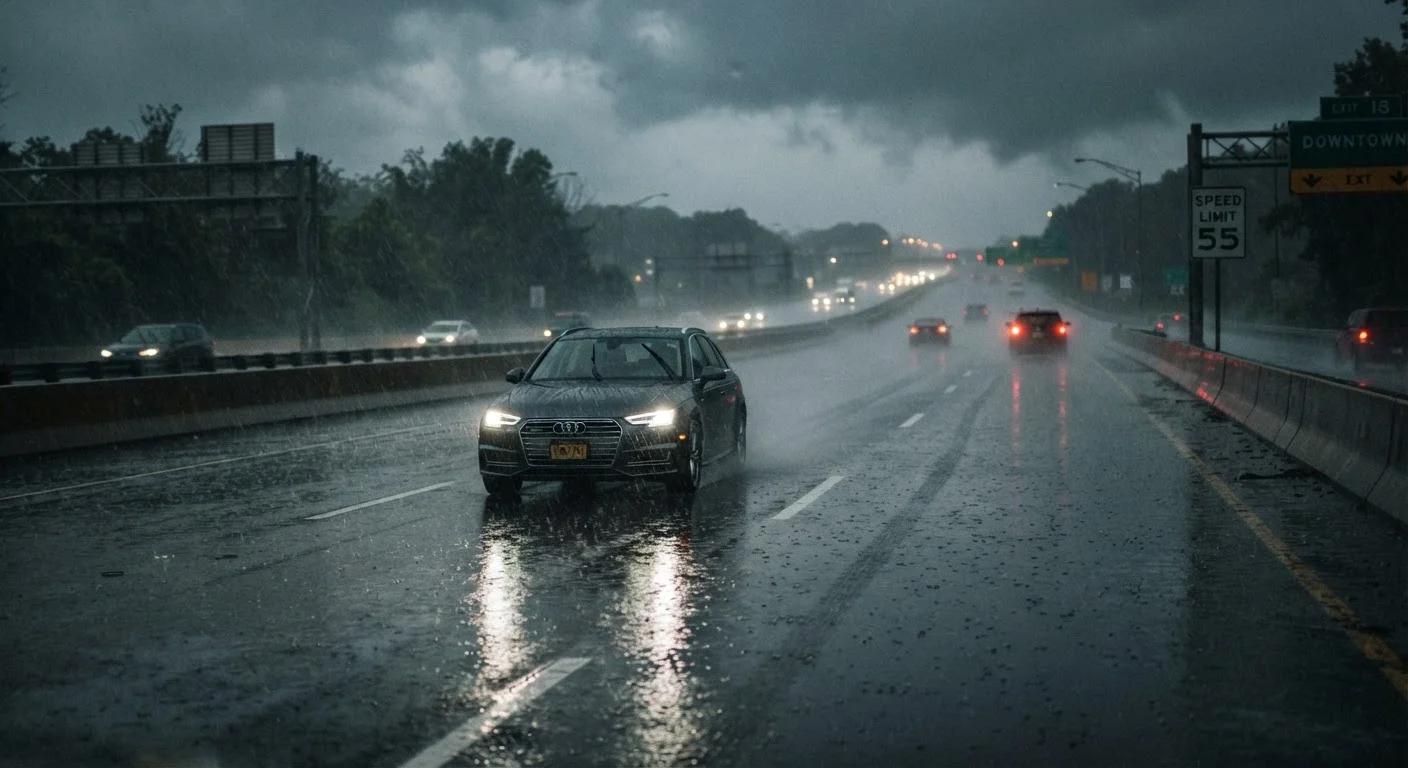
Why Weather Demands More Than Just Caution
Most drivers know to "be careful" when the weather turns bad - but that general awareness rarely translates into specific changes in behavior. The real risk comes from the gap between how a car handles on a dry road and how it handles when the surface is wet, packed with snow, glazed with ice, or visibility is near zero. Each condition alters the physics your vehicle operates under, and each calls for a distinct set of adjustments.
Before any weather-affected trip, it's worth running through a quick vehicle check. A pre-drive safety walkthrough covering your tires, wipers, lights, and mirrors takes only a few minutes and can prevent serious problems before they start. For seasonal maintenance that supports your car's readiness, see our guide on seasonal car care.
What you will need
Step-by-Step: Adjusting for Rain, Snow, Ice, and Fog
The steps below address each major weather type in sequence. Apply the relevant steps for the conditions you're facing - and remember that multiple conditions (for example, freezing fog or slushy snow) may apply simultaneously.
Rain: Reduce Speed and Increase Following Distance
As soon as rain begins - especially in the first 15-30 minutes - road oils rise to the surface and create slicker-than-expected conditions. Reduce your speed by at least 5-10 mph below the posted limit and increase your following distance from the standard 3 seconds to a minimum of 5-6 seconds. If your wipers can't keep up with rainfall or you can't see clearly, the safest action is to exit the road and wait.
To prevent hydroplaning (when tires ride on a film of water rather than gripping the road), avoid standing water, steer gently, and do not use cruise control. If you feel your car begin to hydroplane, ease off the accelerator smoothly - do not brake hard - and steer straight until grip returns.
Snow: Drive Slowly, Steer Smoothly, and Anticipate Stops
Packed snow reduces traction dramatically. Cut your speed significantly - many safety experts suggest driving at roughly half the posted speed limit in moderate snow. Accelerate gradually, brake gently and early, and steer with smooth, deliberate movements. Abrupt inputs in any direction can cause a skid.
Give yourself far more stopping distance than you think you need. On snowy roads, stopping distances can be two to three times longer than on dry pavement. Slow down well before intersections, turns, and hills. When approaching a hill, maintain steady momentum on the way up - stopping partway and restarting on a snowy incline is far harder.
Ice: Treat Every Surface as a Potential Skid
Ice - particularly "black ice," which is nearly invisible - is the most hazardous road condition most drivers will encounter. Stopping distances on ice can be up to ten times longer than on dry pavement. Drive well below the speed limit, accelerate and brake with extreme gentleness, and treat all shaded areas, bridges, and overpasses as likely ice zones even when the rest of the road appears clear.
If you begin to skid, resist the instinct to brake hard. For a rear-wheel skid (fishtail), ease off the gas and steer gently in the direction the rear of the car is sliding. For a front-wheel skid, ease off the accelerator and allow the wheels to regain grip before steering. Practice knowing which type of skid your vehicle is more prone to based on its drivetrain.
Fog: Use Low Beams, Slow Down, and Listen
In fog, switch on your low-beam headlights - never high beams. High beams reflect off fog particles and actually reduce how far you can see. If your vehicle has dedicated rear fog lights, use them so drivers behind you can see your position. Reduce speed so you can stop within the distance you can actually see - this is sometimes called driving within your headlights.
Increase following distance substantially, and use the road's edge markings (rather than centerline) as a visual guide to reduce the risk of drifting into oncoming traffic. Crack your window slightly in very dense fog - you may be able to hear approaching vehicles before you can see them.
Mixed Conditions: Reassess Continuously
Weather rarely arrives in neat categories. A winter storm may bring rain that turns to sleet, then snow, then freezing fog. As conditions shift, reassess your speed, following distance, and light settings. Don't assume conditions that were manageable five miles back are the same ahead - temperature, elevation, and shade exposure can change road surfaces quickly.
If at any point conditions exceed what you can safely manage, prioritize pulling off the road safely over reaching your destination. No trip is worth a loss of vehicle control.
Check Your Tires Before Adverse Weather Arrives
Tire tread depth and inflation pressure are the single biggest factors in how your vehicle performs on wet or snowy roads. Check tread depth regularly using the penny test (insert a penny into a tread groove; if you can see all of Lincoln's head, tread is too worn). Maintain proper tire pressure year-round - cold temperatures cause pressure to drop, which affects handling and traction.
Common Mistakes That Make Bad Weather Worse
Even experienced drivers fall into predictable traps when conditions deteriorate. Overconfidence in all-wheel drive is one of the most common - AWD helps with acceleration and traction but does not shorten stopping distances on ice. Similarly, driving on cruise control in wet conditions can delay your reaction time if your tires begin to hydroplane.
Familiarity with a route can also create complacency. As our piece on how familiarity affects safety explains, knowing a road well can actually dull attentiveness - a particular danger when that familiar road is now slick or visibility is cut short. Adverse weather also intersects with the kinds of assumptions that lead to accidents, such as expecting other drivers to brake in time or trusting that green means safe.
AWD and 4WD Don't Prevent Skids or Shorten Stopping Distances
All-wheel drive and four-wheel drive systems improve your ability to accelerate and maintain traction, but they do not help you stop faster or corner safely on ice. Drivers of AWD and 4WD vehicles frequently overestimate their safety margin in winter conditions. Apply the same speed reductions and braking caution you would in any other vehicle.
For challenges that overlap with weather - particularly low light during storms or winter - our guide on night driving challenges covers how reduced visibility compounds the demands on your attention and reaction time.
The content on this site is provided for informational purposes only and should not be considered a substitute for professional advice. While we strive to provide accurate and up-to-date information, we make no guarantees regarding its completeness or accuracy. Always consult a qualified professional for advice specific to your circumstances before making any decisions.