

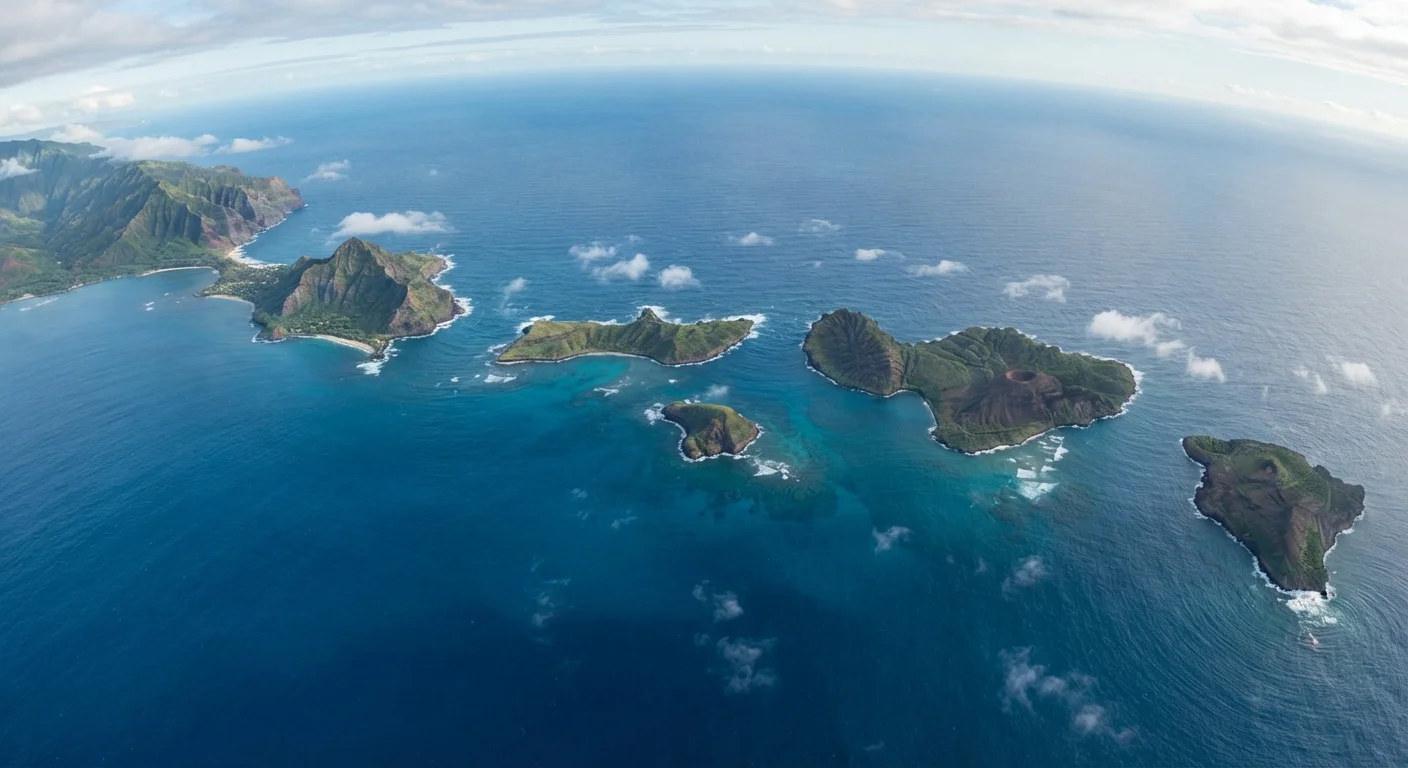
Why the Island You Choose Changes Everything
Picking Hawaii as your destination is just the beginning. The four major visitor islands - Oahu, Maui, Kauai, and the Big Island - are separated by more than open ocean. They differ in terrain, crowd density, activity options, and overall feel in ways that can make or break a trip if you go in with wrong expectations.
Think of it less like choosing between cities and more like choosing between entirely different types of vacations. A couple seeking nightlife and cultural landmarks will have a very different experience than a solo hiker looking for solitude, even if both technically went to "Hawaii." Getting this choice right is one of the most important parts of planning, which is why understanding the full arc of trip planning matters before you book anything.
Oahu: Infrastructure and Iconic Landmarks
Oahu is Hawaii's most populated island and home to Honolulu, Waikiki, and Pearl Harbor. It's the easiest island to navigate without a rental car, has the most dining and nightlife options, and offers the broadest range of accommodation types and price points.
Waikiki Beach is crowded by design - it's a purpose-built resort corridor. Travelers who want quieter beaches will need to venture to the North Shore or the Windward Coast. Pearl Harbor and the USS Arizona Memorial are sobering, historically significant sites that draw visitors regardless of their broader travel style.
Oahu suits: first-time visitors, families who value convenience, travelers interested in history and urban culture, and anyone who doesn't want to depend heavily on a rental car.
4
Major visitor islands in Hawaii
Oahu, Maui, Kauai, and the Big Island account for the vast majority of Hawaii's tourism traffic.
~11M
Annual visitors to Hawaii
According to the Hawaii Tourism Authority, the state typically receives around 10-11 million visitors per year, with Oahu drawing the largest share.
11 of 13
Global climate zones found on the Big Island
The Big Island's unusual topography and elevation range produce nearly every climate type on Earth within a single island.
Maui: The Middle Ground That Works for Most Travelers
Maui occupies a useful middle position - developed enough to be comfortable, scenic enough to feel genuinely immersive. The Road to Hana, Haleakala National Park at sunrise, and the beaches of Kaanapali and Wailea are consistently cited as highlights. The island has well-established resort infrastructure while still offering meaningful outdoor access.
It's the most popular choice for honeymoons and anniversary trips, partly because the west-side resort towns offer polished experiences without the urban density of Honolulu. That said, traffic can be significant, and some areas are congested during peak season. A rental car is essentially required on Maui.
Maui suits: couples, moderate-activity travelers, snorkelers, whale watchers (seasonal), and anyone who wants comfort alongside natural scenery.
Kauai: For Travelers Who Prioritize Nature Over Convenience
Kauai is Hawaii's oldest island geologically and its most rugged. The Na Pali Coast - accessible only by boat, helicopter, or strenuous multi-day hike - is one of the most dramatic coastal landscapes in the United States. Waimea Canyon, sometimes called the "Grand Canyon of the Pacific," is legitimately impressive.
What Kauai doesn't have: a major city, significant nightlife, or the resort density of Maui or Oahu. The island's development is deliberately restrained. This is a feature for some travelers and a frustration for others. Road access also dead-ends on both sides of the island - the Na Pali Coast is inaccessible by car entirely.
Kauai suits: hikers, nature photographers, travelers seeking seclusion, and those willing to trade convenience for scenery. This same dynamic plays out in other destinations where ruggedness is the draw - different island chains present similar trade-offs between development and natural character.
The Big Island: Geology, Scale, and Climate Extremes
Hawaii Island - commonly called the Big Island - is larger than all the other Hawaiian islands combined. That scale means dramatically different microclimates. The Kona side tends to be dry and sunny; the Hilo side is lush, green, and rainy. Visitors should know which side they're staying on before booking.
Volcanoes National Park is the centerpiece attraction - it's the only place in the U.S. where visitors can observe active volcanic geology up close in a managed setting. Conditions vary (lava visibility is not guaranteed), so check with the National Park Service directly for current activity status before planning your itinerary around it.
The Big Island also hosts some of the world's best stargazing at Mauna Kea's summit area, though access and conditions require advance planning and appropriate preparation for high altitude.
The Big Island suits: curious travelers, geology and astronomy enthusiasts, adventurous couples, and anyone who wants a less-scripted, exploratory type of trip.
Frequently Asked Questions
Oahu is the most accessible for first-timers, with the widest range of accommodations, transportation options, and iconic landmarks. However, if your priority is beaches and relaxation over urban amenities, Maui is a strong alternative for a first trip.
Yes, for the right traveler. Kauai's Na Pali Coast, Waimea Canyon, and uncrowded beaches are genuinely spectacular. Just know that rental cars are near-essential, some roads are unpaved, and development is intentionally limited - there's no major city here.
Yes, inter-island flights are short (typically 30-50 minutes), but adding islands means added transit time, rental car pickups, and hotel check-ins. Most travelers find two islands more than enough for a 10-14 day trip.
The Big Island is dramatically larger and more varied - it contains 11 of the world's 13 climate zones. Visitors can see active lava flows, snow-capped Mauna Kea, lush rainforests, and arid desert landscapes within the same island.
Hawaii's weather is generally pleasant year-round. April through June and September through November tend to have fewer crowds and more moderate pricing compared to peak summer and winter holiday periods. Always verify current conditions with official tourism sources before booking.
The content on this site is provided for informational purposes only and should not be considered a substitute for professional advice. While we strive to provide accurate and up-to-date information, we make no guarantees regarding its completeness or accuracy. Always consult a qualified professional for advice specific to your circumstances before making any decisions.