

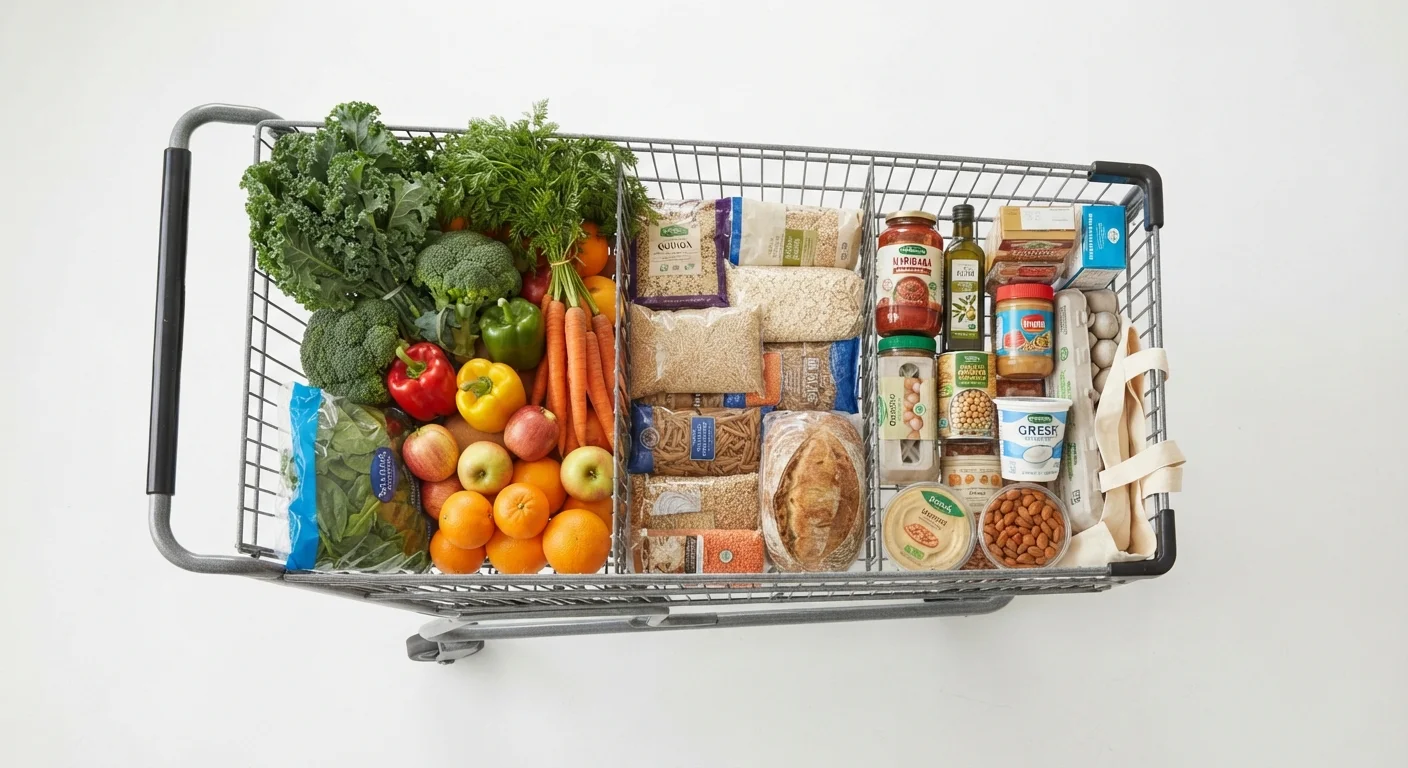
Why Grocery Spending Is Worth Targeting
For most American households, groceries represent one of the largest and most flexible spending categories in a monthly budget. Unlike rent or insurance premiums, grocery spending responds quickly to deliberate habit changes - often within a single billing cycle. That makes it a high-leverage target for anyone trying to reduce expenses without drastic lifestyle cuts.
The challenge is that grocery costs accumulate through dozens of small decisions: the item tossed in the cart on impulse, the produce that spoils before it's used, the name-brand product bought out of habit when a store-brand equivalent sits next to it for less. Understanding where the money actually goes is the first step. If you haven't mapped your grocery spending recently, a structured tracking approach can surface patterns you'd otherwise miss.
Core Practices That Consistently Cut Costs
The strategies below aren't tricks or temporary fixes - they're durable habits supported by consumer behavior research and the experience of budget-conscious shoppers across income levels.
Plan meals for the week before you write your shopping list.
Meal planning eliminates the guesswork that leads to overbuying and food waste. Research consistently shows that households without a plan spend more and throw away more food - two costs that compound each other. A plan also reduces the frequency of expensive last-minute decisions like takeout.
Compare unit prices, not shelf prices.
The sticker price of a product tells you almost nothing about its value relative to alternatives. Unit prices - cost per ounce, per serving, or per count - make real comparisons possible. Larger sizes aren't always cheaper per unit, and store brands frequently undercut name brands at the unit level without sacrificing quality.
Default to store-brand or private-label products for staples.
For commodity items - flour, canned tomatoes, frozen vegetables, cooking oils, spices - store brands are typically produced by the same manufacturers as national brands, just with different packaging. The price gap can be 20-40% with no meaningful quality difference for most shoppers.
Shop with a list and don't shop hungry.
Shopping without a list increases both the number of items purchased and the likelihood of selecting higher-cost impulse items. Shopping while hungry compounds this effect - studies in consumer psychology show it inflates caloric and financial spending simultaneously.
Buy and freeze proteins when they're marked down.
Meat and seafood prices fluctuate regularly, and most proteins freeze well for weeks to months without quality loss. Buying at lower price points and freezing for later use decouples your protein consumption from current price spikes - a practical form of household price management.
Build meals around seasonal produce rather than specific recipes.
Out-of-season produce is often more expensive and lower in quality than what's currently in season locally. Flexible cooking - choosing recipes based on what's affordable and fresh rather than what a recipe specifies - keeps both cost and flavor high.
Quick Actions You Can Take This Week
You don't need to overhaul your entire grocery routine at once. Starting with one or two concrete changes creates momentum and shows results fast. The actions below are low-effort and high-return - a good place to begin.
For a broader view of how timing and planning intersect across consumer purchases - not just groceries - the complete guide to spending less by shopping smarter covers retail calendars, price tracking, and clearance cycles in useful detail.
Nutrition Doesn't Have to Suffer When You Spend Less
A common concern about cutting grocery costs is that it means eating worse. The evidence doesn't support that fear. Dried beans, lentils, frozen vegetables, oats, eggs, and canned fish are among the most nutrient-dense foods available - and consistently among the most affordable items in any store. Seasonal fresh produce follows a similar pattern: it tends to be cheaper precisely when it's at peak quality.
Where shoppers sometimes undercut their nutrition goals isn't at the checkout - it's in the planning stage. Buying in bulk without a use plan, skipping the perimeter for processed center-aisle items, or letting produce expire are patterns worth auditing. The article on how grocery habits affect nutrition goals explores these patterns in depth and offers useful perspective on shopping the store more intentionally.
“The most powerful tool in reducing food costs isn't a coupon or an app - it's knowing what you're going to cook before you walk into the store.”
— Consumer Economics Extension Educators, Cooperative Extension food budgeting program contributors
This article is for informational purposes only and does not constitute financial or nutritional advice. Consult a qualified professional for guidance specific to your circumstances.
The content on this site is provided for informational purposes only and should not be considered a substitute for professional advice. While we strive to provide accurate and up-to-date information, we make no guarantees regarding its completeness or accuracy. Always consult a qualified professional for advice specific to your circumstances before making any decisions.