

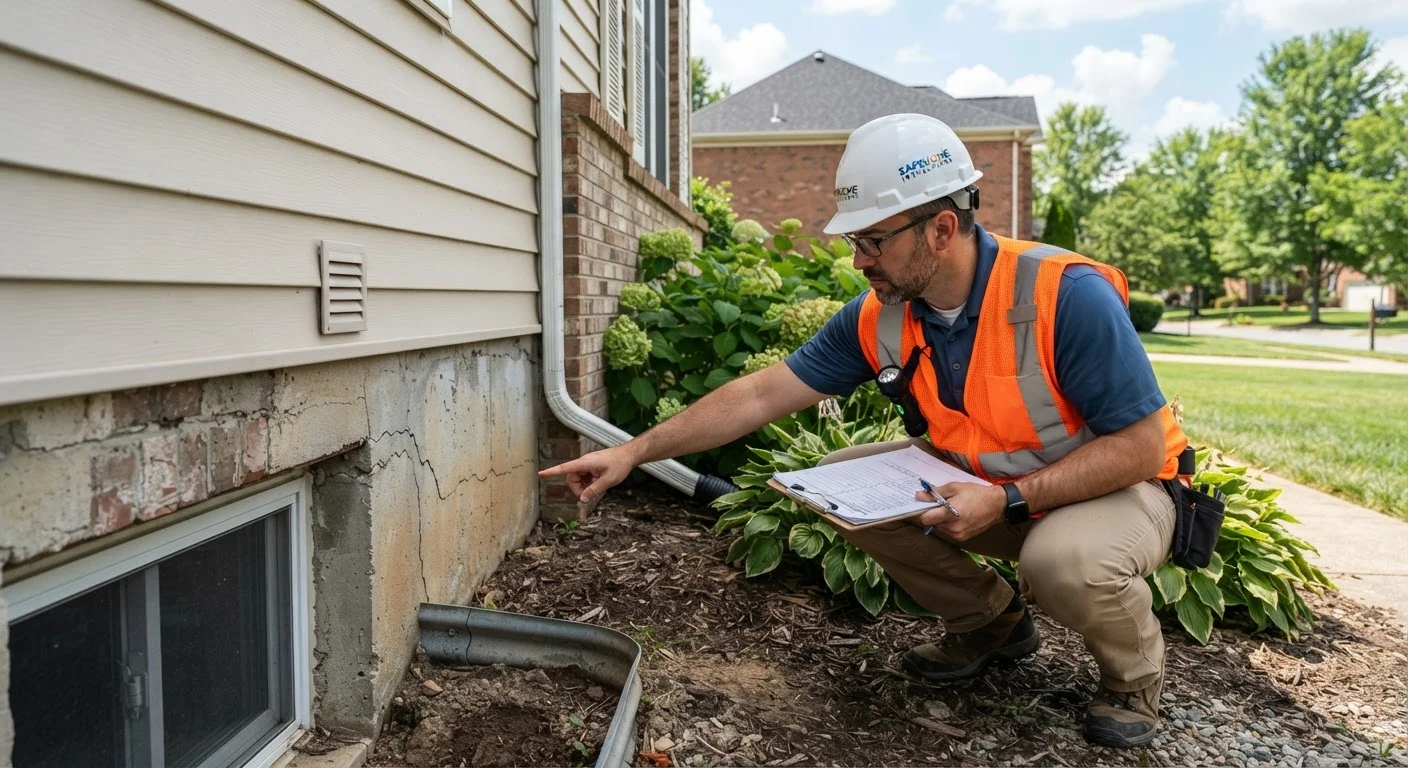
What a Home Inspection Actually Is
A home inspection is a professional, visual evaluation of a property's physical condition conducted before the sale closes. It is not a warranty, a code-compliance certificate, or a guarantee that nothing will break in the future. Think of it as an experienced set of eyes walking through the home systematically and documenting what they observe.
Most purchase contracts include an inspection contingency - a clause that gives you a defined window (commonly 7-14 days after the offer is accepted) to have the home inspected and decide how to proceed. This contingency is one of your most important protections as a buyer. The full sequence fits into the broader closing timeline described in our home buying process guide.
Inspections typically cost between $300 and $600 for a standard single-family home, though larger or older homes cost more. The buyer pays, and in return the buyer - not the seller - chooses the inspector and receives the report directly.
Choose Your Inspector Independently
Your buyer's agent can suggest inspectors, but the choice is entirely yours. An inspector's loyalty runs to the person who hires them - so selecting your own, rather than defaulting to whoever is most convenient, protects that independence. Verify credentials and read reviews before booking.
What Inspectors Examine
A licensed general home inspector follows a defined scope. Expect a thorough look at:
- Structural components - foundation, framing, floors, walls, ceilings
- Roof - shingles, flashing, gutters, ventilation, visible decking
- Exterior - siding, grading, driveways, decks, and drainage
- Electrical system - panel, wiring type, outlets, GFCI protection, visible hazards
- Plumbing - visible pipes, water heater, water pressure, drainage
- HVAC - heating and cooling equipment, ductwork, filters, age
- Insulation and ventilation
- Windows and doors - operation, seals, weather-stripping
- Interior spaces - stairways, railings, smoke detectors
Inspectors work visually - they do not open walls, move furniture, or operate systems that are shut off. Specialized concerns like radon, mold, sewer lines, or pests usually require separate specialist inspections. Ask your inspector upfront which add-ons they offer or recommend for your property type.
What you will need
How to Read the Report
Most inspection reports run 30-80 pages and include photos, condition ratings, and written descriptions. The volume can feel alarming - but context matters enormously.
Sort findings into three categories:
- Safety hazards - items posing an immediate risk (double-tapped breakers, open junction boxes, missing GFCI outlets, active water leaks near electrical). These warrant prompt action.
- Major defects - costly repairs such as a failing roof, foundation cracks with movement, or a failed HVAC system. Factor repair estimates into your decision.
- Maintenance items - caulking, minor grading, worn weatherstripping, aging water heaters still functioning. Every home has these; they are normal wear.
Ask your inspector to walk you through the report at the end of the inspection. Their verbal context is often more valuable than the written text alone.
Don't Confuse Volume With Severity
A 60-page report filled with minor items is not the same as a report with three major structural defects. Buyers sometimes panic at long reports and miss genuinely serious findings buried within them. Always ask your inspector to identify the top issues they would want a family member to know about before buying.
Negotiating After the Report
Findings do not automatically end the deal - they create a negotiation opportunity. Common responses include requesting that the seller repair specific items before closing, asking for a credit at closing so you handle repairs yourself, or negotiating a price reduction that accounts for the cost of work needed.
Our detailed guide on negotiating after an inspection report walks through how to prioritize requests and frame them effectively. Not every defect is worth negotiating - sellers generally resist long lists of minor items. Focus on safety hazards and major-cost repairs.
When Walking Away Makes Sense
Walking away is not a failure - it is the inspection contingency doing its job. Consider declining to proceed when findings include:
- Foundation damage with evidence of ongoing movement or settlement
- Active water intrusion with signs of widespread mold behind walls
- Electrical systems that present fire or shock hazards and would require full rewiring
- A roof, HVAC, and water heater all at end of life simultaneously - a convergence of large-ticket replacements
- Structural modifications that appear unpermitted and unsafe
Before walking, get contractor estimates if time allows. A structural issue that costs $4,000 to stabilize is different from one with an open-ended repair scope. If you are uncertain, a second opinion from a structural engineer is money well spent.
Being financially prepared before you reach this stage reduces the stress of these decisions. The financial readiness checklist can help you build that foundation before you begin touring homes.
This article is for general informational purposes only and does not constitute legal, financial, or professional real estate advice. Consult a licensed real estate professional and qualified inspector in your area for guidance specific to your situation.
The content on this site is provided for informational purposes only and should not be considered a substitute for professional advice. While we strive to provide accurate and up-to-date information, we make no guarantees regarding its completeness or accuracy. Always consult a qualified professional for advice specific to your circumstances before making any decisions.