

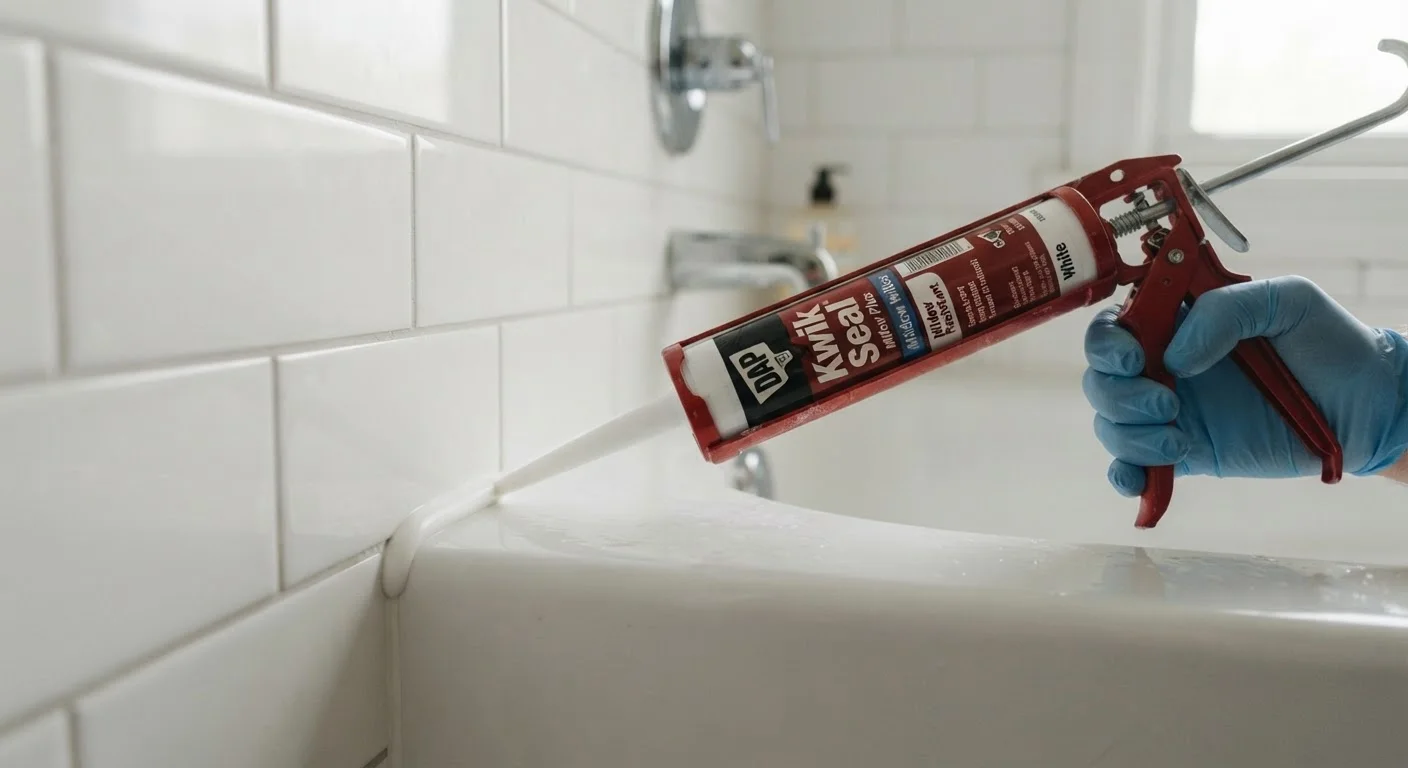
Why Caulk Type Matters
Caulk is one of the most versatile - and most misunderstood - materials in the home. Pick the wrong formulation and you'll face cracked joints within a season, mold problems in wet areas, or paint that won't stick. Pick the right one and a properly sealed gap can last a decade or more.
The three most common formulations - silicone, latex (acrylic), and polyurethane - each have distinct properties that make them ideal for specific locations and surfaces. This guide maps those formulations to their best applications so you can shop with confidence and get the job done correctly the first time.
| Silicone - paintable? | No (standard formulas) |
| Latex - waterproof? | Water-resistant only; not suitable for constant wet exposure |
| Polyurethane - cleanup | Solvent required (mineral spirits) |
| Typical caulk lifespan | 5-10 years depending on exposure and formulation |
| Latex - cleanup | Water and damp cloth |
| Best all-purpose exterior choice | Polyurethane or siliconized latex hybrid |
The Three Main Caulk Formulations
Silicone Caulk
Silicone caulk is fully waterproof, flexible, and highly resistant to temperature swings. It bonds well to non-porous surfaces such as glass, ceramic tile, and metal. Its main drawback: latex paint won't adhere to cured silicone, so it's a poor choice for any surface you plan to paint. It is also more difficult to tool and clean up - requiring a solvent rather than water.
Best for: Bathtub surrounds, shower stalls, around sinks, exterior window glazing, and anywhere persistent moisture is present.
Latex (Acrylic) Caulk
Latex caulk - often sold as "painter's caulk" - is water-based, easy to apply, and paintable within an hour or two. It cleans up with a damp cloth and works well on porous surfaces such as wood trim and drywall. It is less flexible than silicone over time and can shrink slightly as it cures, so it isn't suitable for joints that see frequent expansion and contraction.
Best for: Interior trim, baseboards, door and window casings, crown molding, and gaps along drywall.
Polyurethane Caulk
Polyurethane caulk is the toughest of the three. It adheres to virtually any surface - wood, concrete, metal, masonry - and is highly resistant to abrasion and UV exposure. It remains flexible after curing, making it well suited for large gaps or areas with structural movement. Like silicone, it requires solvent cleanup and must be painted within a reasonable window (check the product label for specifics).
Best for: Exterior gaps in siding, concrete cracks, foundation joints, and around exterior doors and windows where movement is expected.
Caulk
A flexible sealant applied to joints, gaps, and seams to block air, water, pests, and drafts. It cures from a paste-like consistency into a firm but pliable bead.
Silicone caulk
A synthetic rubber-based sealant that is fully waterproof and highly flexible. It does not accept paint and requires solvent for cleanup.
Latex caulk
A water-based acrylic sealant that is easy to apply, paintable, and cleans up with water. It works best on interior, low-moisture surfaces.
Polyurethane caulk
A high-strength, durable sealant that bonds to almost any surface and remains flexible after curing. Preferred for exterior joints and concrete applications.
Siliconized Latex
A hybrid caulk combining acrylic latex with silicone additives. It offers better water resistance than standard latex while remaining paintable.
Tooling
The process of smoothing a freshly applied caulk bead - typically with a wet finger or a caulk tool - to press it into the joint and create a neat finish before it cures.
Quick Reference: Caulk by Location
| Location | Recommended Type | Key Reason |
|---|---|---|
| Bathtub/shower surround | Silicone | 100% waterproof; mold-resistant grades available |
| Kitchen sink | Silicone | Constant moisture; bonds to porcelain and stainless |
| Interior trim & molding | Latex | Paintable; easy cleanup; works on wood and drywall |
| Exterior windows & doors | Polyurethane or Silicone | UV resistance; flexibility handles seasonal movement |
| Concrete cracks / masonry | Polyurethane | Strong adhesion; tolerates structural shifting |
| Exterior siding gaps | Polyurethane | Abrasion-resistant; bonds to wood and cement board |
When a location falls in a gray area - for example, a window that is both painted and exposed to weather - look for hybrid formulations labeled "siliconized latex" or "paintable silicone." These blends trade some waterproofing performance for paintability and are a reasonable compromise in moderate-exposure situations.
For projects where you're uncertain whether caulking is the right fix or whether a larger repair calls for a contractor, see our guide to DIY vs. hiring a contractor to weigh your options before you start.
Always Prep the Surface First
New caulk applied over old, deteriorating caulk rarely bonds well and will fail faster. Remove existing caulk completely using a utility knife or dedicated caulk-removal tool, clean the surface with rubbing alcohol or a mild cleaner, and allow it to dry fully before applying fresh sealant. Proper surface prep is the single biggest factor in how long your caulk seal will last.
The content on this site is provided for informational purposes only and should not be considered a substitute for professional advice. While we strive to provide accurate and up-to-date information, we make no guarantees regarding its completeness or accuracy. Always consult a qualified professional for advice specific to your circumstances before making any decisions.