

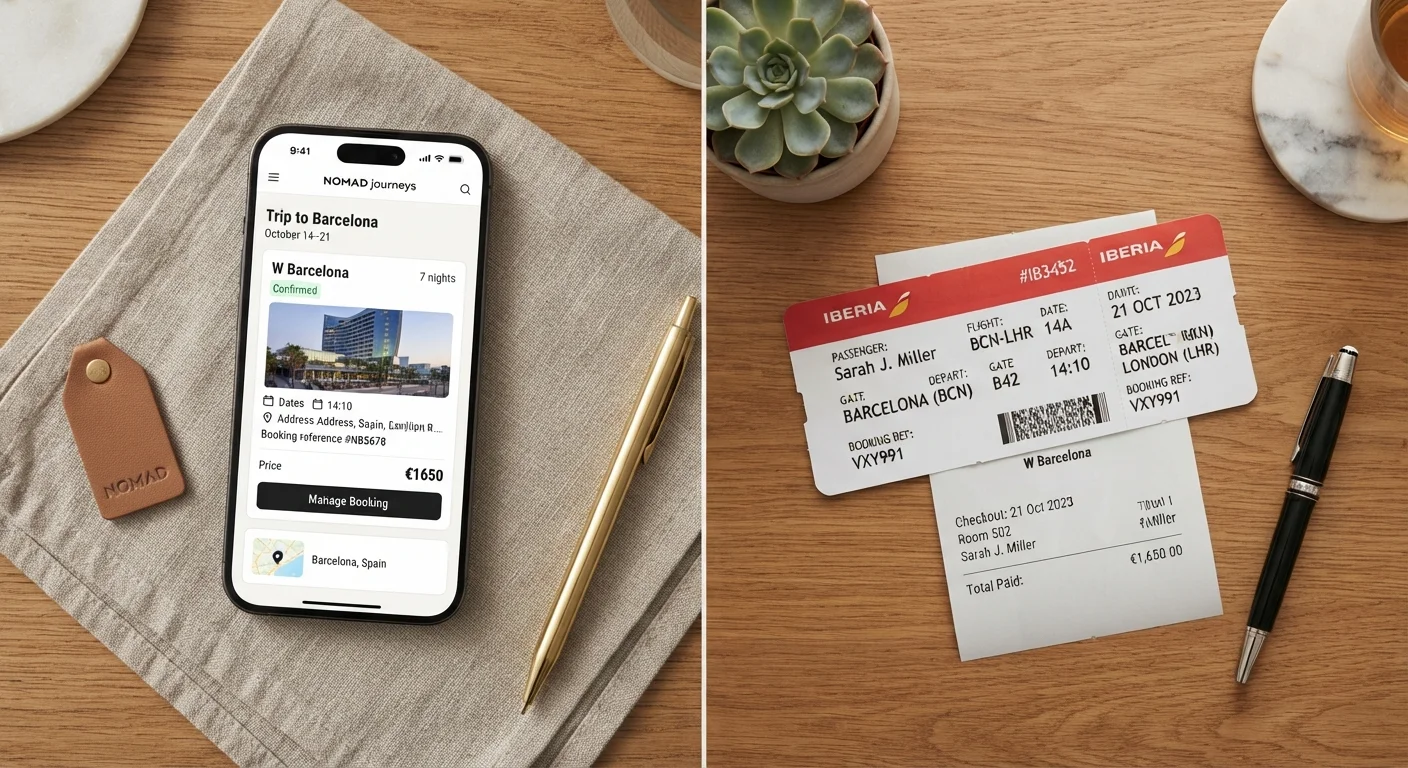
Why This Debate Matters More Than You Think
Whether to book a flight or hotel directly with the provider or through an online travel agency (OTA) like a third-party aggregator is one of the most common questions travelers wrestle with. The assumptions on both sides - that direct is always cheaper, or that third-party always offers better deals - are often wrong in ways that cost real money and cause real stress.
The truth is more situational than either camp admits. Understanding the actual trade-offs helps you make smarter decisions trip by trip, rather than defaulting to one channel out of habit or folklore. See our guide on booking timing for how the when of booking intersects with the where.
Myth
Booking directly with an airline or hotel always gets you the lowest price.
Fact
Direct rates are sometimes lower, but OTAs and direct channels regularly match or undercut each other depending on inventory and timing.
Many travelers assume that cutting out the middleman automatically saves money. In practice, airlines and hotels use dynamic pricing systems, and OTAs sometimes have access to negotiated rates or bundled packages that aren't available on provider websites. The reverse is also true - hotel loyalty rates or member-only discounts through direct booking can beat OTA prices. Neither channel has a consistent price advantage across all situations.
Myth
Third-party platforms offer better consumer protection if something goes wrong.
Fact
OTAs add a layer of complexity to dispute resolution; direct bookings give providers more flexibility to fix problems on the spot.
When a flight is canceled or a hotel has a problem, the provider's customer service team can often resolve it immediately for direct-booking guests. OTA customers may face delays because the hotel or airline will direct them back to the platform that processed the booking. OTA refund and rebooking policies also vary widely, and some charge their own fees for changes that the provider would handle at no cost.
Myth
You earn the same loyalty points regardless of where you book.
Fact
Many airlines and hotel brands restrict or eliminate points accrual for reservations made through third-party channels.
Frequent flyer and hotel loyalty programs typically require that you book directly - or through specific approved channels - to earn full points and qualify for elite status nights. Some OTA bookings earn partial credit or none at all, depending on the program's rules. If accumulating points or maintaining status is part of your travel strategy, this distinction can add up significantly over multiple trips.
Myth
OTA bundle deals always save money compared to booking each component separately.
Fact
Bundled packages can offer savings, but they can also obscure individual costs and make it harder to modify or cancel components.
Bundling a flight and hotel through a third party sometimes yields a genuine discount - particularly for leisure packages to popular destinations. But the savings come with trade-offs: bundle terms often mean that canceling one component affects the entire booking, and the individual pricing of each element may not be transparent. Always verify what you're actually paying for each component before assuming a bundle is cheaper.
Myth
If you use a major OTA, your booking is automatically protected like a credit card purchase.
Fact
OTA purchase protection depends on the platform's own policies, which vary significantly and are separate from credit card protections.
Using a credit card to pay for any booking - direct or OTA - provides chargeback rights under card network rules if a service isn't delivered. But the OTA's own refund and support policies are a separate layer, and they're not standardized. Some platforms have robust protections; others have narrow eligibility windows or complicated claim processes. Reading the OTA's terms before booking is as important as reading the provider's cancellation policy.
What Actually Changes When Something Goes Wrong
The sharpest real-world difference between booking channels shows up not at checkout, but at the customer service desk when a flight is canceled or a hotel overbooks. When you book directly, the airline or hotel owns the relationship - they can rebook, refund, or upgrade you without involving a middleman. When a third party holds your reservation, the provider often redirects you back to that platform, and the OTA's support queue becomes your only path forward.
This doesn't mean third-party bookings are always a liability, but it does mean you should go in with clear expectations. Cancellation and change policies often differ between channels even for the same property, so reading the terms before clicking "confirm" is essential regardless of where you book.
Third-Party Bookings Can Complicate Urgent Changes
If your travel plans change unexpectedly - due to weather, illness, or a provider disruption - having your reservation held by an OTA rather than directly with the airline or hotel can slow down your options. OTA customer service queues during peak disruption periods can be hours long. When flexibility matters, direct bookings generally give you faster access to solutions.
Your payment method matters here too. Booking with a credit card that offers travel protections can offset some of the risk of using a third party, since card disputes provide a layer of recourse that OTA policies alone may not. For a fuller picture of what travel protection actually covers, see Travel Insurance Explained.
Making the Right Call for Your Specific Trip
Neither channel wins universally. For simple, non-refundable bookings on leisure trips where price is the primary driver and flexibility is low, OTA rates can occasionally be competitive - especially for hotel packages. For complex itineraries, premium cabin upgrades, or trips where you're counting on loyalty status benefits, booking directly almost always makes more sense.
A practical habit: check prices on both channels before committing. Many hotel brands have price-match policies for direct bookings, which means you can sometimes get the lower OTA rate while retaining the perks of booking direct. If you're still sorting out the broader trip strategy, planning around a budget vs. a destination shapes which trade-offs matter most from the start.
For travelers who use points and miles, the channel decision carries extra weight - see Travel Hacking Myths for a clear-eyed look at what loyalty programs actually deliver. More general travel planning tips can help you build a consistent decision-making framework for future trips.
The content on this site is provided for informational purposes only and should not be considered a substitute for professional advice. While we strive to provide accurate and up-to-date information, we make no guarantees regarding its completeness or accuracy. Always consult a qualified professional for advice specific to your circumstances before making any decisions.