

Why Region Matters When Choosing a Park
The U.S. National Park System includes over 400 units, but most travelers are drawn to the roughly 60 designated national parks. Choosing one based on name recognition alone often leads to mismatched expectations - a visitor expecting lush forests may be unprepared for the Mojave heat at Joshua Tree, or surprised by the crowds at Zion. Regional context is the fastest way to narrow your options before committing to flights and lodging.
A solid planning foundation helps here. Before diving into regional specifics, consider reading how to structure a trip from start to finish - the same research-first principles apply directly to park visits.
| Total national park units (NPS) | Over 400 (National Park Service) |
| Designated 'National Parks' (by classification) | 63 (National Park Service) |
| Total NPS-managed acreage | Approx. 85 million acres (National Park Service) |
| Most visited park (recent years) | Great Smoky Mountains (National Park Service annual visitation data) |
| America the Beautiful Pass (annual) | Covers entrance fees at all federal recreation sites (USGS/NPS) |
| Parks requiring timed-entry reservations | Varies seasonally; confirm at nps.gov (National Park Service) |
The Southwest: Heat, Scale, and Desert Drama
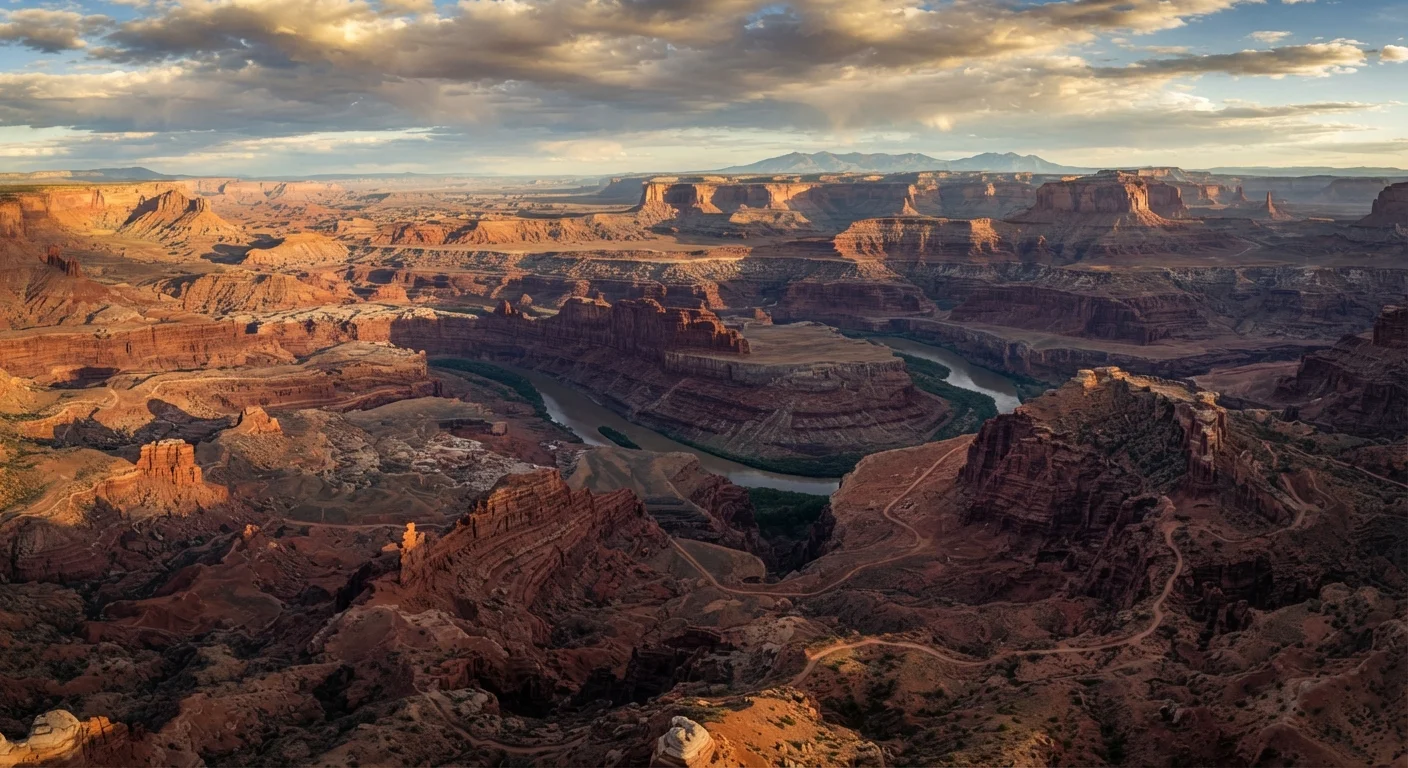
The Colorado Plateau anchors the Southwest's park concentration. Grand Canyon (Arizona) is best understood by rim - South Rim is accessible year-round, North Rim is seasonal and far less crowded. Zion (Utah) rewards early-season or shoulder-season visitors; summer crowds on the Narrows and Angels Landing require advance permits. Bryce Canyon delivers the region's most distinctive geology - hoodoo spires best viewed at sunrise. Arches and Canyonlands share a Moab hub and pair well for multi-day itineraries.
Key planning realities: summer temperatures in the lower desert parks regularly exceed 100°F. Flash floods are a genuine hazard in canyon country, particularly in slot canyons. Many Southwest parks now require timed-entry reservations during peak season - confirm current requirements directly with each park before arrival.
Timed-entry reservation
A system requiring visitors to book a specific entry window in advance, used to manage crowds at high-traffic parks. Availability and applicable dates vary by park and season.
Hoodoo
A tall, thin spire of rock formed by differential erosion. Hoodoos are especially prominent in Bryce Canyon National Park and are the park's defining geological feature.
America the Beautiful Pass
An annual federal recreation pass that covers entrance fees at national parks and other federal lands. Purchased through the USGS or at park entrance stations.
Shoulder season
The period between a destination's peak season and off-season, typically offering reduced crowds and moderate weather. For most western parks, this falls in April-May and September-October.
NPS unit
Any site managed by the National Park Service, including national parks, monuments, seashores, recreation areas, and historic sites. Not all NPS units carry the 'national park' designation.
The Pacific Northwest and Sierra Nevada: Water, Elevation, and Wilderness
Olympic (Washington) is genuinely three parks in one: temperate rainforest, alpine meadows, and wild Pacific coastline. Mount Rainier (Washington) offers iconic subalpine wildflower meadows, typically peaking mid-July through August. North Cascades is among the least-visited but most rugged of the major parks - appropriate primarily for experienced hikers and backpackers.
Heading south, Crater Lake (Oregon) holds the deepest lake in the U.S. and is accessible by car on the Rim Drive. In California, Yosemite requires advance reservations for day visitors during summer. Sequoia and Kings Canyon, jointly managed, offer a less-crowded alternative for travelers whose priority is big trees over iconic granite walls. Redwood (northern California) protects coast redwoods - the world's tallest trees - and is often underestimated as a standalone destination.
Elevation and snowpack drive access windows across this region; many high-elevation roads don't open until June or July. Families navigating these logistics should also check practical planning guidance for trips with children, particularly around pacing and terrain expectations.
The Rockies and Great Plains: Wildlife, Altitude, and Open Space
Yellowstone (Wyoming/Montana/Idaho) is the world's oldest national park and the most geothermally active landscape in North America. Wildlife viewing - bison, wolves, bears - is most productive at dawn and dusk. Grand Teton (Wyoming) sits immediately south and shares a logical itinerary pairing. Rocky Mountain (Colorado) includes Trail Ridge Road, one of the highest paved roads in the country, open roughly late May through mid-October depending on snowfall.
Glacier (Montana) borders Canada's Waterton Lakes, and its Going-to-the-Sun Road is one of the most photographed drives in North America. Like many high-elevation parks, vehicle reservations are required during peak season - verify current protocols before planning your route. Badlands (South Dakota) combines striking eroded buttes with fossil beds and significant prairie wildlife, often overlooked but highly accessible.
91 million+
Annual visits to top 10 national parks
According to National Park Service visitation statistics.
63
Officially designated national parks in the U.S.
As classified by the National Park Service; distinct from other NPS-managed units.
12,000+
Miles of trails across the national park system
National Park Service infrastructure data.
The East and South: Accessibility and Ecological Diversity
Great Smoky Mountains (Tennessee/North Carolina) is consistently the most visited national park in the country - partly because it has no entrance fee. Dense hardwood forest, historic homesteads, and reliable wildlife sightings make it genuinely worth the crowds with good timing. Shenandoah (Virginia) offers a more manageable scale along Skyline Drive and is within a day's drive of a significant portion of the East Coast population.
In Florida, Everglades is best visited November through April; summer brings extreme heat, mosquitoes, and afternoon thunderstorms. Biscayne, just north of the Florida Keys, is 95% water - snorkeling and boating are the primary activities, a contrast worth flagging if you're planning a conventional hiking-centered park trip.
Travelers working within financial constraints will find this region particularly accessible - several eastern parks are within driving distance of major metros. Starting your planning with a budget rather than a destination can open up options you might not have considered.
All park entry requirements, reservation systems, road openings, and fee structures are subject to change. Verify current conditions and policies directly with the National Park Service (nps.gov) before finalizing any travel plans.
The content on this site is provided for informational purposes only and should not be considered a substitute for professional advice. While we strive to provide accurate and up-to-date information, we make no guarantees regarding its completeness or accuracy. Always consult a qualified professional for advice specific to your circumstances before making any decisions.