

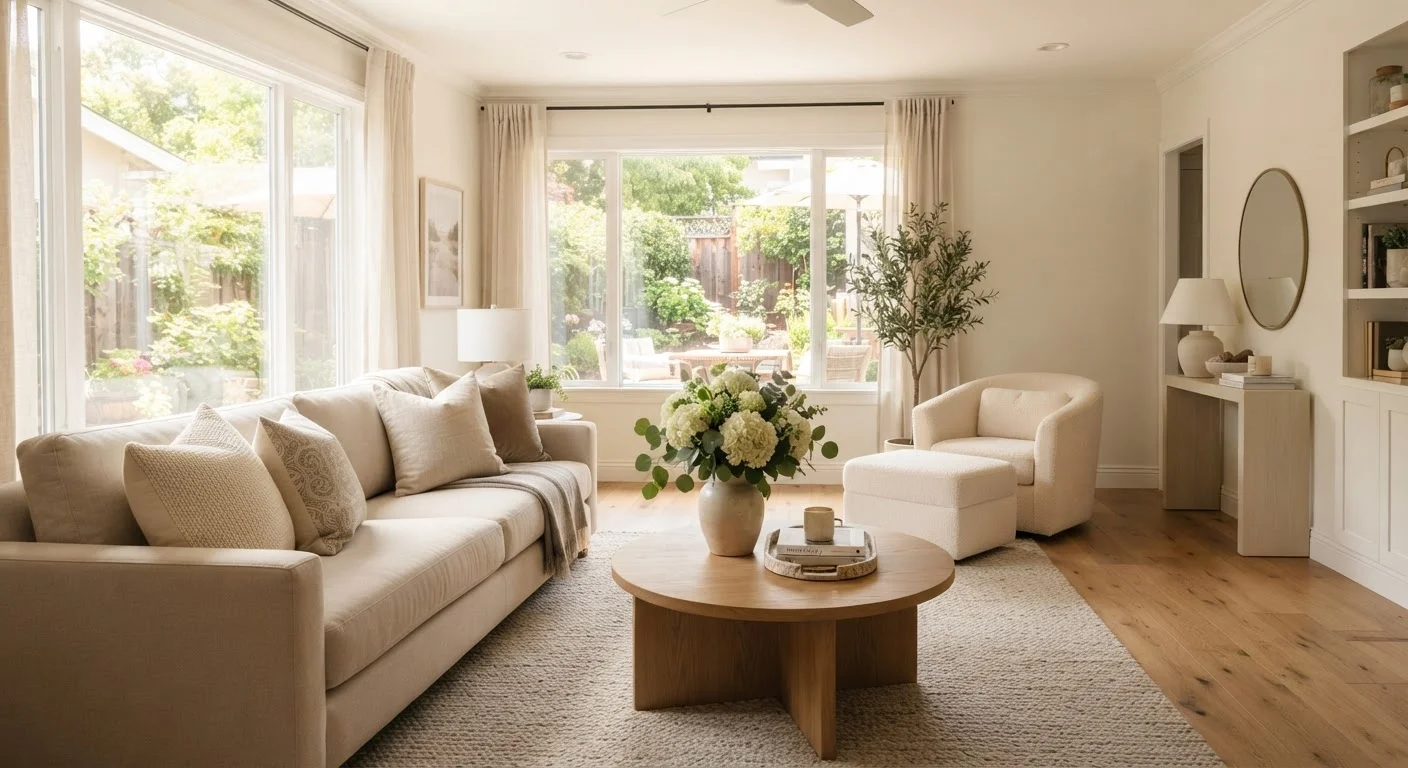
Why Staging Matters - and What It Actually Does
Home staging is the process of preparing a property so that prospective buyers can visualize living there. It is not about decorating to your taste - it is about removing obstacles to a buyer's imagination. Research from the National Association of Realtors has consistently found that staged homes tend to sell faster and closer to list price than comparable unstaged homes, though outcomes vary by market and price point.
The good news for sellers: the most impactful staging techniques cost little or nothing. Decluttering, deep cleaning, and maximizing natural light outperform expensive furniture rentals in most price ranges. If you are weighing whether to invest time staging or simply list at a lower price, consider that a clean, well-presented home builds buyer confidence - confidence that translates into competitive offers.
Staging Works Best Alongside Realistic Pricing
Even a beautifully staged home will linger on the market if it is priced beyond comparable sales in the area. Staging creates a strong first impression; pricing determines whether buyers make offers. See why overpricing costs sellers money for context on setting a competitive list price.
Staging also matters for photography. The majority of buyers now begin their search online, and listing photos drive whether a showing happens at all. Everything you do to stage the home improves both the in-person experience and how the property photographs.
What You Need Before You Start
Successful staging starts with the right materials and a clear plan. Use the checklist below to gather what you will need before working through the steps.
What you will need
Neutral touch-up paint
Covers scuffs and small wall damage, giving rooms a freshly maintained appearance without a full repaint.
LED bulbs (warm white, 2700-3000K)
Replaces harsh or dim bulbs to create warm, consistent lighting throughout every room.
Storage bins or off-site storage unit
Holds excess furniture, personal items, and clutter that would otherwise distract buyers.
Full-length mirror
Makes smaller rooms and hallways appear larger and brighter by reflecting light.
Fresh or faux plants
Adds life and color to staged spaces without requiring ongoing professional decor.
Most of what you need is already in your home. The goal is to edit and rearrange rather than purchase. If your budget allows small expenditures, prioritize lighting upgrades and cleaning supplies - these deliver the most visible return.
For sellers managing larger organizational challenges before listing, home organization strategies offer practical frameworks for getting any space under control efficiently.
The Staging Steps: From Clutter to Curb Appeal
Work through these steps in order. Each builds on the last, and skipping ahead - adding accent decor before decluttering, for example - will undermine the result. Budget an afternoon for a smaller property and a full weekend for a larger home.
Declutter every room ruthlessly
Remove roughly one-third of the items in each room. Buyers need to see space, not your belongings. Box up personal photos, trophies, collections, and excess furniture. If a piece makes a room feel cramped or draws attention away from the room's best features, store it off-site.
Pay special attention to closets - buyers open them. A half-empty, organized closet signals abundant storage. See hidden storage solutions for ideas on where to relocate items you're keeping.
Deep clean from ceiling to floor
Clean every surface buyers might notice or touch: baseboards, light switches, cabinet fronts, window glass, grout lines, and appliances. Odors are disqualifying - steam-clean carpets, wash soft furnishings, and ventilate the home thoroughly before showings. A spotless home signals that it has been well maintained.
Address minor repairs and touch-ups
Walk through every room with a notepad and fix what you can affordably: tighten loose door handles, re-caulk around tubs and sinks, patch nail holes, and apply touch-up paint to scuffed walls. These small repairs signal maintenance without significant investment.
For guidance on deciding which larger repairs are worth pursuing before listing, see selling as-is vs. making repairs.
Optimize lighting throughout the home
Replace any dead or dim bulbs. Use warm white LED bulbs (2700-3000K) consistently across each room. Open all blinds and curtains before every showing. In darker rooms, add an inexpensive floor lamp to fill shadowy corners. Bright, even lighting makes rooms read as larger and more welcoming in photos and in person.
Arrange furniture for flow and proportion
Pull furniture away from walls to create conversational groupings rather than a furniture-store showroom effect. Remove extra pieces if a room feels congested - aim for clear pathways and a sense of scale. In living rooms, anchor the seating arrangement with a rug that defines the zone without covering the entire floor.
Add simple, neutral finishing touches
A few deliberate accents complete the staged look without requiring a decorator. Fresh white towels in bathrooms, a simple bowl of fruit or a potted plant in the kitchen, and a tidy throw on a neutral sofa cost very little and photograph well. Keep accents to a minimum - three items per surface is a reliable guideline.
For broader room-by-room preparation guidance, the room-by-room listing checklist covers what buyers notice in each space.
Staging Does Not Replace Disclosure
Staging improves visual appeal - it does not change a home's condition or override your legal obligation to disclose known material defects. Every US state has disclosure requirements. Consult your real estate agent or a licensed attorney about what must be disclosed in your state before listing.
Once the interior is addressed, step outside. Mow the lawn, clear the entry of debris, wipe down the front door, and consider a fresh doormat. Curb appeal is the first impression a buyer forms before they set foot inside, and it costs almost nothing to improve.
For a comprehensive, room-by-room preparation reference alongside your staging work, see the room-by-room listing preparation checklist.
Avoid Over-Improving for the Neighborhood
Spending heavily on renovations to stage a home can exceed what the local market will support in a sale price. Focus on cleaning, decluttering, and cosmetic fixes rather than structural upgrades or high-end finishes. For a grounded view on budget improvements, see home improvement on a budget.
The content on this site is provided for informational purposes only and should not be considered a substitute for professional advice. While we strive to provide accurate and up-to-date information, we make no guarantees regarding its completeness or accuracy. Always consult a qualified professional for advice specific to your circumstances before making any decisions.