

How Earnest Money Works in a Home Purchase
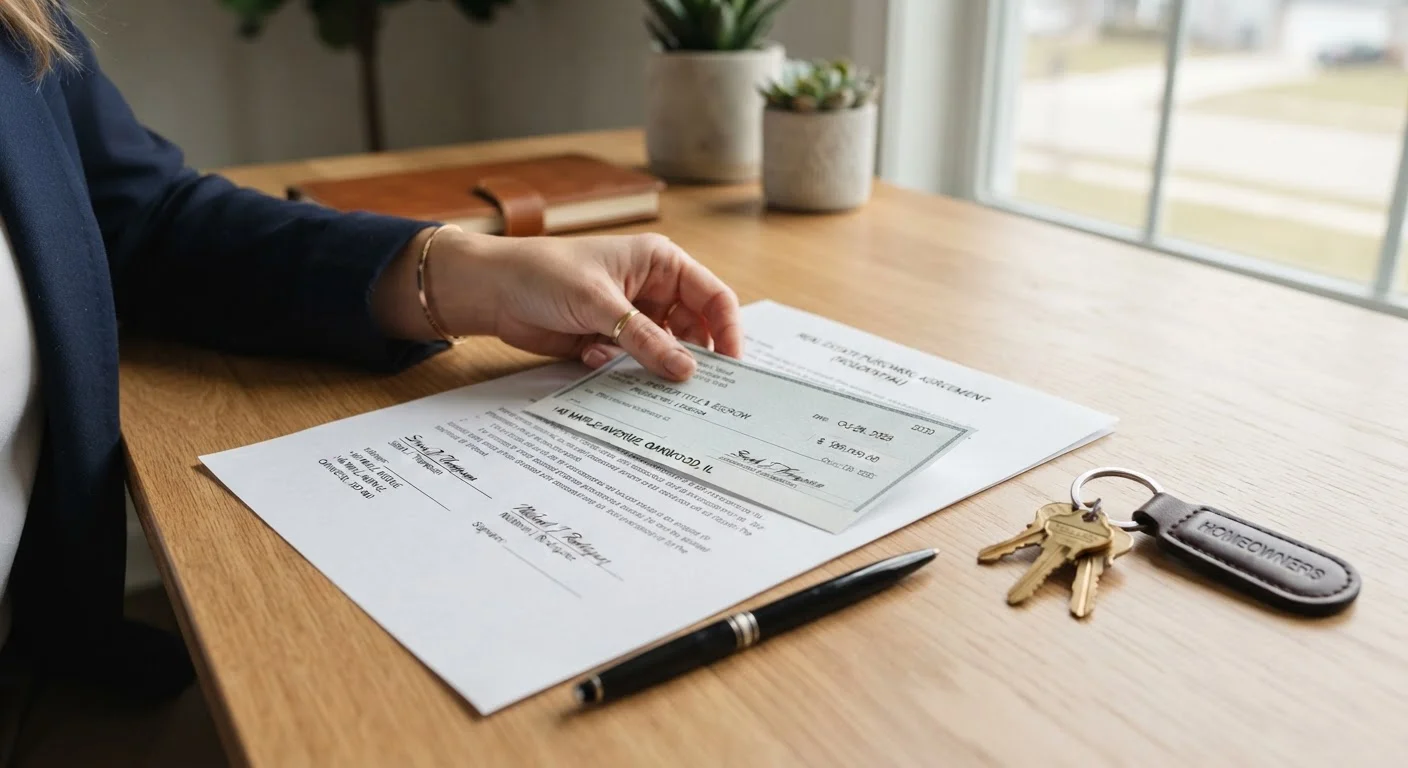
When a seller accepts your offer, the transaction moves quickly. Within a few business days - sometimes 24 to 72 hours - you are expected to submit an earnest money deposit to demonstrate that your commitment is real. This deposit is wired or delivered to an escrow account held by a neutral third party, such as a title company or escrow firm.
The funds sit in that account throughout the transaction. At closing, the deposit is credited toward what you owe - reducing your out-of-pocket cash for the down payment or closing costs. If the deal falls apart, who gets the money depends entirely on the circumstances and what your contract says.
1%-3%
Typical earnest money deposit range
Most U.S. purchase contracts call for an earnest money deposit between 1% and 3% of the home's purchase price, though amounts vary by market and negotiation.
1-3 days
Typical window to submit deposit
Most purchase contracts require the earnest money to be delivered to escrow within one to three business days of offer acceptance, though contract terms vary.
~$5,000
Common flat deposit in some markets
In some local markets, buyers and sellers agree to a flat earnest money figure rather than a percentage, often in the range of $1,000-$10,000 depending on price point.
Earnest money gives sellers confidence. In a competitive market, a higher deposit can signal stronger commitment and may make your offer more attractive - though the amount alone does not determine whether an offer wins.
What Puts Your Earnest Money at Risk
The most common reason buyers lose their earnest money deposit is walking away from a deal without a valid contractual reason to do so. Purchase contracts include contingencies - specific conditions that must be met for the sale to proceed. If a contingency is not satisfied and you exercise your right to exit, you are typically entitled to your deposit back. But if you cancel outside of those protections, the seller may have grounds to keep it.
Key situations that can put your deposit at risk include:
- Waiving contingencies under pressure and then needing them. In hot markets, some buyers waive inspection or financing contingencies to compete. If you later discover a problem or your loan falls through, you may have no contractual basis for a refund. Learn more about the tradeoffs in our article on contingencies in a purchase contract.
- Missing contract deadlines. Purchase agreements include firm deadlines for completing inspections, securing financing, and responding to repair requests. Missing these windows - even unintentionally - can void your contingency protections.
- Simply changing your mind. Buyer's remorse is not a contractual contingency. If you decide you no longer want the home and there is no applicable contingency exit, the seller is generally entitled to retain your deposit.
Read Every Deadline Before You Sign
Contingency deadlines are non-negotiable once the contract is executed. Review your purchase agreement line by line with your agent or attorney before signing, and calendar every deadline immediately. A missed window - even by one day - can eliminate a contingency and expose your deposit to forfeiture.
How Contingencies Protect Your Deposit
Contingencies are the primary mechanism that makes earnest money refundable. The three most common are the financing contingency, the inspection contingency, and the appraisal contingency. Each one specifies a condition that must be met - and gives the buyer a defined window to exit the contract with their deposit intact if that condition is not satisfied.
For example, if you have a financing contingency and your mortgage application is denied despite good-faith efforts, you can typically terminate the contract and recover your earnest money. Without that contingency in place, a denied loan could leave you without recourse.
The key is understanding every contingency in your contract before you sign - including the exact deadlines and what actions are required to formally invoke each one. A real estate attorney or buyer's agent can help you interpret these terms. This is general educational information, not legal advice; always consult a qualified professional for guidance specific to your situation.
Practical Steps to Protect Your Deposit
Taking a few deliberate steps from the start significantly reduces the risk of losing your earnest money.
- Verify where the deposit is held. Confirm the escrow holder is a licensed, reputable entity - a title company, attorney's office, or established brokerage. Never wire funds directly to a seller.
- Get all escrow instructions in writing. Know the account details, deadlines, and conditions for release before you submit funds.
- Track every deadline. Put all contract deadlines on a calendar the day you go under contract. Missing a contingency window is one of the most avoidable mistakes in a transaction.
- Understand what you are waiving. If market conditions pressure you to remove contingencies, make sure you fully understand the financial exposure before agreeing.
- Communicate in writing. Any requests to extend deadlines or modify terms should be documented and signed by both parties.
This article is for general informational and educational purposes only and does not constitute legal, financial, or real estate advice. Consult a licensed real estate professional or attorney for guidance specific to your situation and jurisdiction.
Frequently Asked Questions
In most U.S. markets, earnest money ranges from 1% to 3% of the home's purchase price. In highly competitive markets, buyers sometimes offer more to make their offer stand out. The exact amount is negotiable and should be agreed upon in the purchase contract.
No, though they are related. Earnest money is submitted soon after offer acceptance as a show of good faith and is generally credited toward your down payment or closing costs. The full down payment is paid at closing. See our <a href="/real-estate-basics/buying-a-home/down-payment-myths-that-catch-first-time-buyers-off-guard">guide on down payment myths</a> for more on how these two amounts work together.
It depends entirely on the terms of your contract. If you back out for a reason covered by a contingency - such as a failed inspection or denied financing - you are generally entitled to a refund. If you walk away without a valid contingency reason, the seller can typically keep the deposit.
Earnest money is held by a neutral third party - typically a title company, real estate brokerage, or escrow company - not the seller directly. This protects both parties until the transaction is resolved.
At closing, the earnest money deposit is applied as a credit toward your down payment or closing costs. It reduces the total cash you need to bring to the closing table.
Disputes over earnest money are resolved according to the purchase contract terms. If you believe a seller is wrongfully withholding your deposit, an escrow agent typically cannot release funds without written agreement from both parties or a court order. Consulting a real estate attorney is advisable in a dispute.
The content on this site is provided for informational purposes only and should not be considered a substitute for professional advice. While we strive to provide accurate and up-to-date information, we make no guarantees regarding its completeness or accuracy. Always consult a qualified professional for advice specific to your circumstances before making any decisions.