

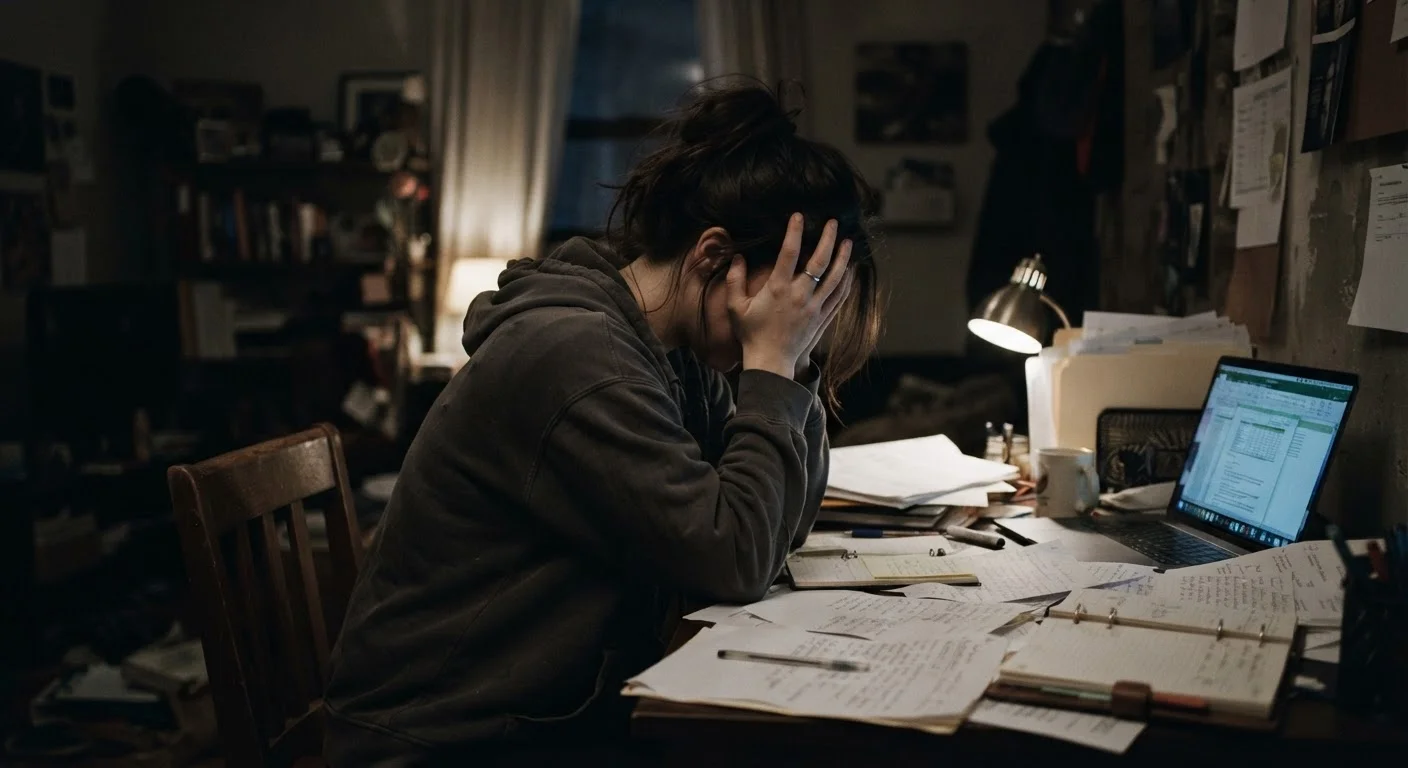
Why Stress and Burnout Are Not the Same Thing
Most of us know what stress feels like: a tight deadline, an overloaded week, a difficult conversation you're dreading. Stress is the body's natural response to challenge, and in short bursts, it can actually sharpen focus and motivate action. The key word is short.
Burnout is what happens when that pressure doesn't let up - when there's no finish line in sight, no real recovery, and no sense that effort is making a difference. Where stress often still carries urgency and investment, burnout tends to bring a hollow kind of exhaustion: you're depleted, and you've stopped caring about the very things you used to care deeply about.
This distinction matters because the two states call for different responses. Pushing through and working harder might temporarily ease stress. Applied to burnout, that same approach typically makes things worse.
Burnout Can Overlap With Depression
The symptoms of burnout - exhaustion, withdrawal, loss of meaning - can look a lot like depression, and the two can occur together. If you're unsure what you're experiencing, a healthcare provider or mental health professional is the right person to help you sort it out. Don't try to diagnose yourself; getting clarity is more useful than getting the label exactly right.
The Warning Signs Worth Paying Attention To
Burnout rarely arrives all at once. It tends to develop gradually, which is part of what makes it easy to miss or explain away. Some of the most telling signs include:
- Chronic exhaustion that doesn't improve with sleep. You wake up tired. Rest no longer feels restorative.
- Emotional detachment or cynicism. You feel disconnected from your work, your relationships, or activities that once brought you meaning.
- Reduced sense of accomplishment. Even when you complete tasks, nothing feels satisfying or significant.
- Difficulty concentrating. Simple decisions or tasks that used to be automatic now feel effortful.
- Physical symptoms. Headaches, digestive issues, frequent illness, and muscle tension are common physical expressions of sustained stress overload.
- Withdrawal. Pulling away from colleagues, friends, or family - not because you want to, but because you simply don't have anything left to give.
If several of these feel familiar and have been present for weeks or longer, it's worth taking them seriously rather than attributing them to a rough patch. Check in with yourself regularly - a weekly mental wellness check-in can help you notice patterns before they deepen.
77%
Workers who have experienced burnout
According to a Deloitte survey of U.S. professionals, 77% reported experiencing burnout at their current job at least occasionally.
3 in 5
Employees whose burnout worsens job performance
Gallup research found that three in five employees report that burnout has a negative effect on their work quality and output.
23%
Lower likelihood of ER visits in engaged workers
Gallup data also found that workers who are highly engaged and less burned out have meaningfully better health outcomes overall.
What's Actually Happening in the Body and Mind
Burnout isn't just about feeling overworked. Research suggests it involves real changes in how the nervous system regulates stress responses. Prolonged activation of the body's stress system - without adequate recovery - can affect sleep, immune function, mood regulation, and cognitive performance.
Emotionally, burnout often shows up as a kind of protective numbness. When demands have consistently exceeded your capacity for too long, the mind may begin to disengage as a form of self-preservation. This is why cynicism and detachment are so central to burnout - they're not character flaws; they're signals that something needs to change.
It's also worth noting that certain everyday habits can quietly contribute to this erosion over time. Common routines that wear down emotional health - like chronic sleep deprivation or never genuinely disconnecting from work - can accelerate the slide from stress into burnout without it feeling obvious until you're already deep in it.
How to Respond When You Recognize Burnout
Recognizing burnout is genuinely the hardest part for many people, because by the time it's entrenched, the motivation and energy needed to address it are exactly what's been depleted. That's not a personal failing - it's a feature of the condition itself.
Some meaningful starting points:
- Name it without judgment. Identifying that what you're experiencing is burnout - not laziness, weakness, or ingratitude - creates space to address it honestly.
- Reduce demands where possible. This isn't always fully in your control, but even small reductions matter. Saying no to one additional commitment can make a difference.
- Prioritize genuine rest. Rest that actually restores means more than sleep - it includes time away from obligation and screen-based stimulation. Stepping back from screens can be one piece of this puzzle.
- Seek support. A mental health professional can help you understand what's driving burnout and develop a path forward. Talking to your doctor is also a useful starting point to rule out other contributing factors.
Building sustainable habits that support your emotional wellbeing over time - not just crisis management - is worth the investment. Everyday practices that support long-term emotional wellbeing don't need to be elaborate; consistency matters more than intensity.
This article is for general informational purposes only and is not a substitute for professional medical or mental health advice. If you are experiencing persistent symptoms, please consult a qualified healthcare provider.
Frequently Asked Questions
Stress typically involves feeling overwhelmed by too many pressures but still caring about the outcome. Burnout is characterized by emotional exhaustion, detachment, and a loss of motivation - you often stop caring altogether. Stress tends to ease when demands decrease; burnout usually persists and requires more deliberate recovery.
Yes. While burnout is most associated with workplace demands, it can develop in any context involving sustained, high-effort responsibility - including caregiving, parenting, or managing chronic illness. The common thread is prolonged stress without sufficient rest or recovery.
Recovery timelines vary widely depending on how severe the burnout is and what changes are possible. Some people notice improvement within weeks after reducing demands and prioritizing rest; others may take months. Working with a mental health professional can meaningfully support recovery.
Burnout is not a formal psychiatric diagnosis in the DSM-5, but it is recognized by the World Health Organization as an occupational phenomenon. A healthcare provider can help rule out conditions with overlapping symptoms - such as depression or anxiety disorders - and guide appropriate support.
If exhaustion, detachment, or cynicism persist for weeks, interfere with daily functioning, or are accompanied by feelings of hopelessness, it's a good idea to speak with a doctor or mental health professional. You don't need to reach a crisis point before asking for help.
Consistent healthy habits - adequate sleep, movement, social connection, and manageable workloads - can reduce burnout risk and support recovery. However, structural factors like excessive job demands also play a large role, so individual habits alone are not always sufficient.
The content on this site is provided for informational purposes only and should not be considered a substitute for professional advice. While we strive to provide accurate and up-to-date information, we make no guarantees regarding its completeness or accuracy. Always consult a qualified professional for advice specific to your circumstances before making any decisions.